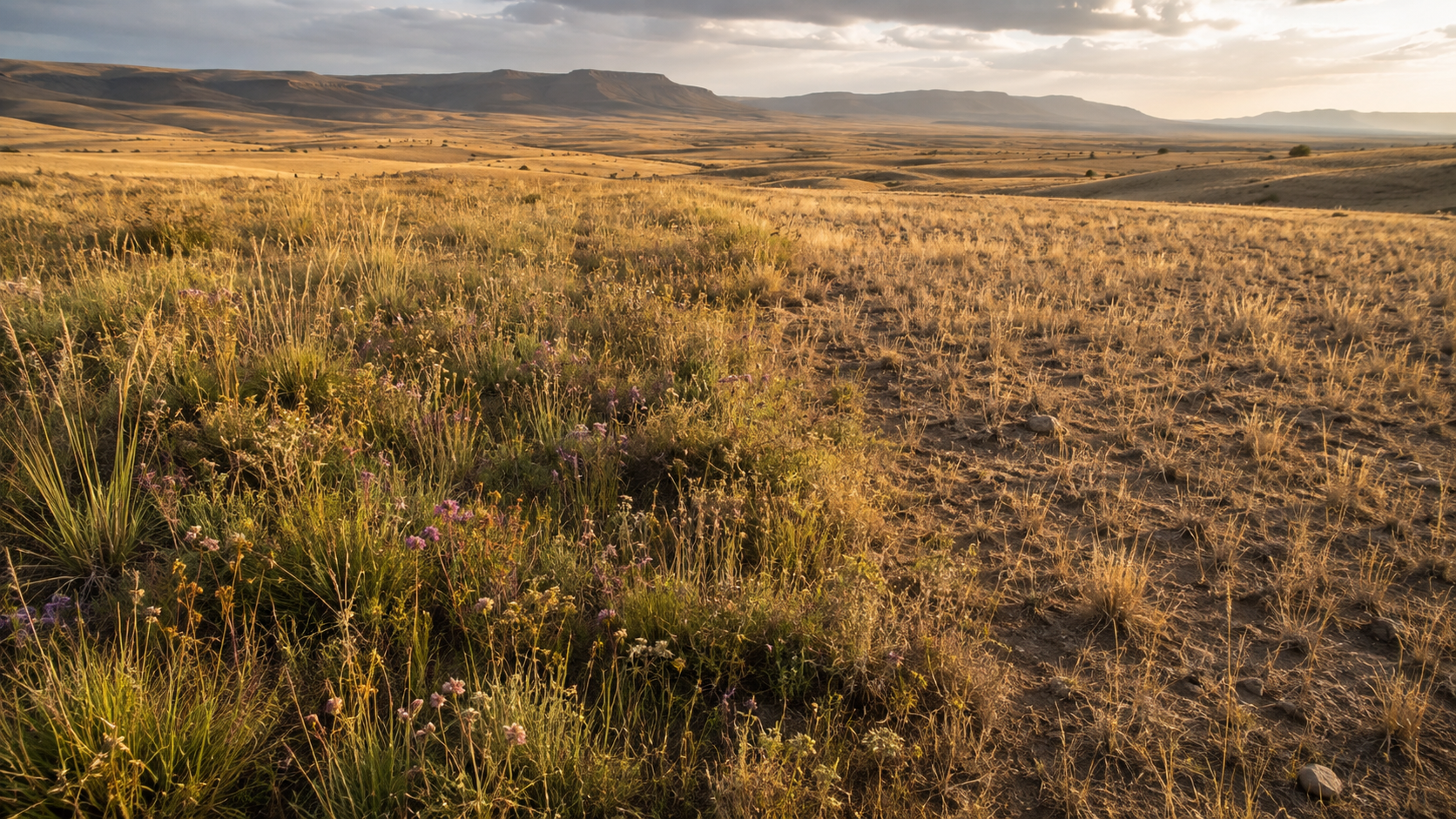








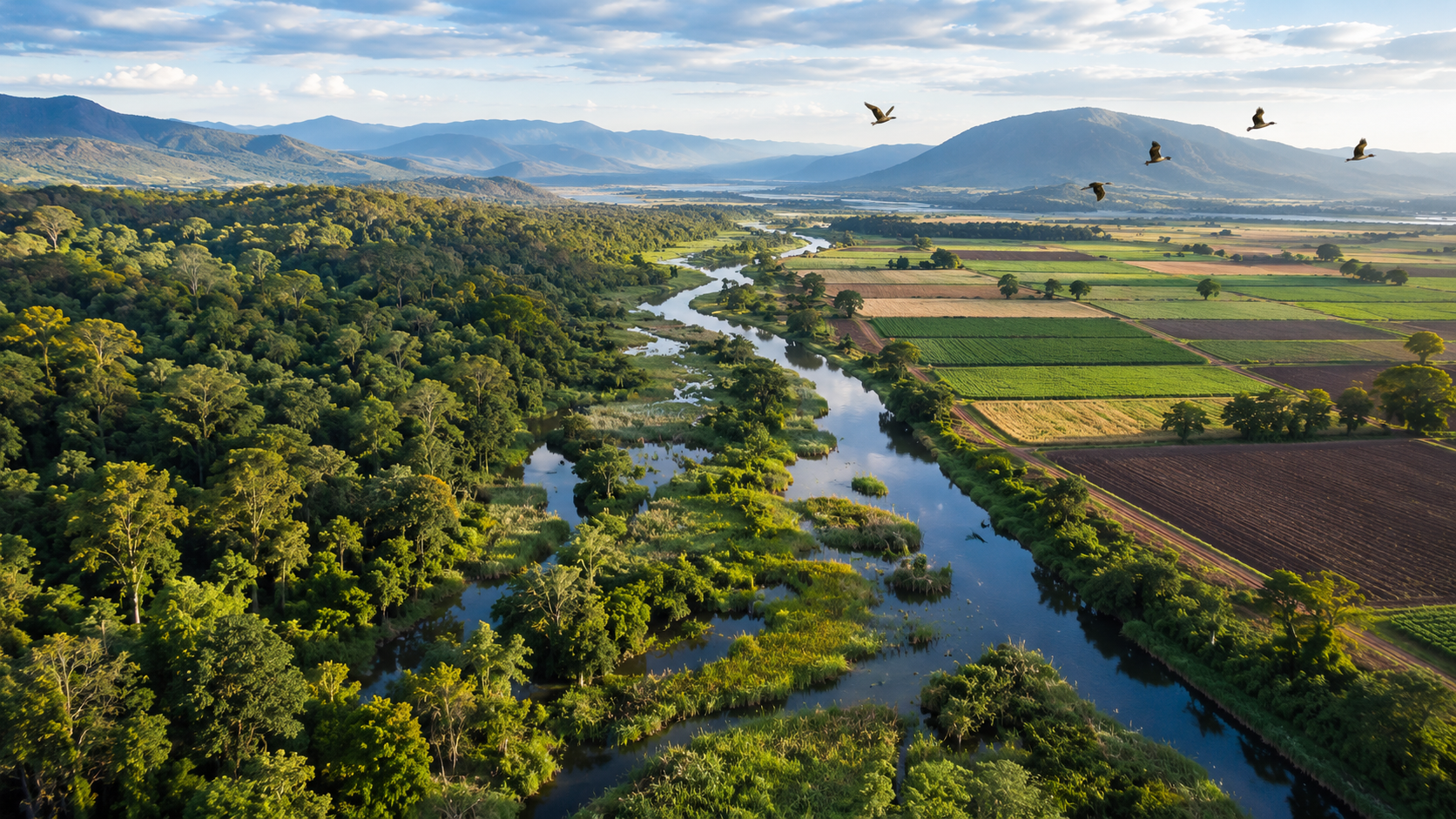
Conservation has often been treated as an effort to preserve what remains of nature. Increasingly, however, scientists are shifting their focus towards a different question: how can ecosystems be prepared for a future that will look very different from today?
Research published in Nature Communications argues that this change in thinking may be essential. Rather than attempting to restore landscapes to their historical state, the study suggests conservation strategies should prioritise resilience, the ability of ecosystems to adapt to changing climates while continuing to support biodiversity and the services people depend on.
The paper, led by Rob Cooke and an international team of ecologists, explored how Britain’s biodiversity could evolve under different climate and land-use scenarios over the coming decades. Although the research focused on the United Kingdom, its conclusions extend far beyond a single country, offering insights into how conservation planning may need to evolve worldwide.
To answer the question, the researchers developed a series of future environmental scenarios combining projected climate change, agricultural practices, urban development and habitat restoration. Rather than relying on one forecast, they modelled multiple plausible futures to understand how different policy decisions might shape biodiversity by 2050. The analysis assessed hundreds of plant, bird and butterfly species while examining how ecological resilience changed under each scenario.
One result stood out clearly.
The choices made over the next two decades had a far greater influence on biodiversity than many of the longer-term climatic changes themselves. Scenarios that combined sustainable land management, habitat restoration and lower greenhouse gas emissions consistently produced healthier, more resilient ecosystems. By contrast, continued habitat loss alongside high-emission pathways accelerated species decline and increased the likelihood of local extinctions.
Perhaps the most interesting finding was that restoration alone was not enough.
Replanting vegetation or expanding protected areas certainly improved ecological outcomes, but the greatest gains occurred when restoration was combined with broader changes in how land was managed. Agricultural practices, urban planning and climate mitigation all interacted, suggesting biodiversity depends on entire landscapes rather than isolated conservation projects.
This represents an important shift in environmental thinking.
For decades, conservation often aimed to recreate historical ecosystems. The analysis suggests that approach may become increasingly difficult as temperatures rise and rainfall patterns change. Instead, ecosystems may need to be managed with future climates in mind, allowing species and habitats to adapt rather than attempting to preserve a fixed snapshot of the past.
The implications extend well beyond environmental policy.
Healthy ecosystems underpin agriculture, water security, tourism and disaster resilience. Wetlands reduce flood risk, forests regulate water supplies, while diverse natural systems support pollination and soil health that many food industries depend upon. As biodiversity declines, these benefits become increasingly expensive to replace through engineered solutions.
That perspective is particularly relevant across southern Africa, where biodiversity supports both economic activity and rural livelihoods. Water catchments such as the Drakensberg mountain systems, indigenous forests and grasslands provide ecological services that extend far beyond their immediate surroundings. Decisions about land management today will continue influencing food production, water availability and climate resilience for decades to come.
The study also highlights the importance of viewing conservation as an investment rather than a cost.
Businesses are beginning to recognise that natural capital carries financial value. Agriculture depends on healthy soils, insurers increasingly model climate-related ecosystem risks, while investors are paying closer attention to biodiversity as part of long-term sustainability assessments. Protecting ecosystems is becoming as much an economic issue as an environmental one.
The research stops short of suggesting that biodiversity loss can be completely reversed. Climate change will continue reshaping ecosystems, regardless of the policies adopted. What the evidence does show is that societies still retain considerable influence over how severe those changes become.
The future of biodiversity is not predetermined. According to the modelling, the trajectory will depend largely on the choices governments, businesses and communities make over the next twenty years. That window may prove far more important than many people realise.
Source Information
Study Title: Future scenarios for British biodiversity under climate and land-use change
Authors: Rob Cooke and colleagues
Journal: Nature Communications
Year: 2026