








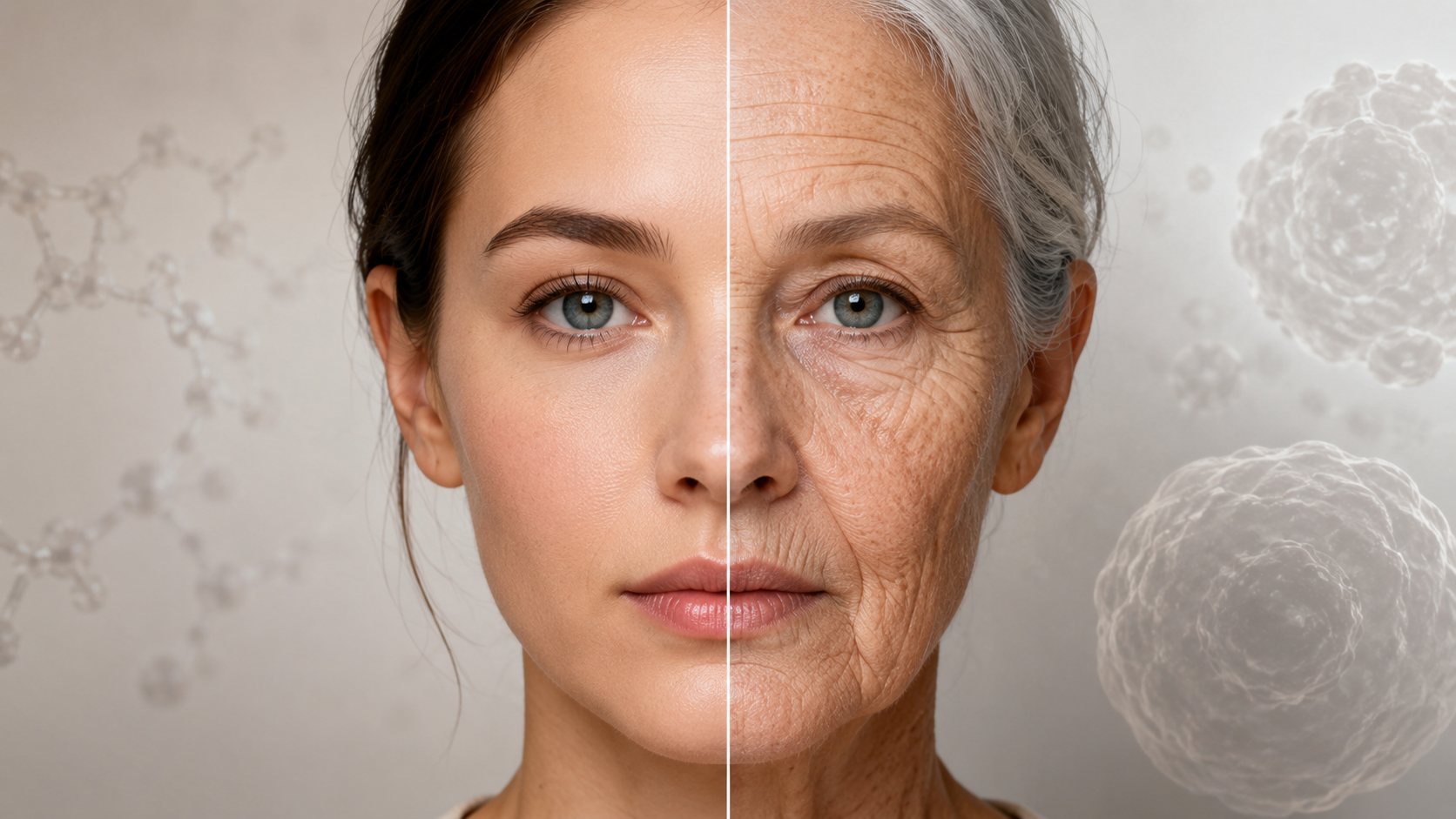
For decades, ageing has largely been viewed as an unavoidable consequence of time. As cells accumulate damage, organs gradually lose efficiency, increasing the risk of diseases ranging from heart failure to dementia.
While that broad picture remains true, scientists are increasingly questioning what actually drives the process. Is ageing simply the result of wear and tear, or do cells actively contribute to their own decline?
A paper published in Nature Reviews Molecular Cell Biology argues that one of the biggest contributors may be cellular senescence—a biological state in which damaged cells stop dividing but refuse to die. Instead of quietly remaining inactive, these cells release a cocktail of inflammatory molecules that can disrupt surrounding tissue, accelerating ageing throughout the body.
The review was led by Judith Campisi, Manuel Serrano and an international team of ageing researchers who examined the latest evidence on how senescent cells develop, how they influence neighbouring cells and why they have become a central focus of anti-ageing research. Rather than testing a single treatment, the paper synthesised findings from hundreds of laboratory studies, clinical investigations and animal experiments published over the past decade.
The evidence paints a far more complex picture than scientists once imagined.
Senescent cells are not inherently harmful. In fact, they play an essential role in wound healing, embryonic development and protecting the body against cancer by preventing damaged cells from continuing to divide. Problems arise when these cells accumulate with age and are no longer efficiently removed by the immune system.
Once that happens, the cells begin producing what researchers call the senescence-associated secretory phenotype (SASP)—a mixture of inflammatory proteins, enzymes and signalling molecules that alter the behaviour of nearby healthy cells. Over time, this chronic, low-grade inflammation can contribute to tissue damage across multiple organs simultaneously.
Perhaps the most significant finding is how widespread these effects appear to be.
The review links cellular senescence to cardiovascular disease, osteoarthritis, pulmonary fibrosis, kidney disease, type 2 diabetes and several neurodegenerative conditions. Rather than acting as the sole cause of these diseases, senescent cells appear to create biological conditions that make age-related illnesses more likely to develop.
This understanding is changing how researchers think about treatment.
Traditional medicine generally approaches age-related diseases individually. Heart disease, arthritis and Alzheimer’s disease are studied as separate conditions with distinct therapies. Senescence research suggests that some of these illnesses may share common biological pathways, raising the possibility that targeting one underlying process could influence multiple diseases at once.
That possibility has given rise to an entirely new field of medicine centred on senolytics—drugs designed to selectively remove senescent cells while leaving healthy cells untouched.
Several early-stage clinical trials have already begun investigating whether these therapies can improve conditions such as idiopathic pulmonary fibrosis, diabetic kidney disease and age-related frailty. Although the results remain preliminary, the review notes that animal studies have consistently demonstrated improvements in physical function, tissue health and lifespan after senescent cells were removed.
The findings also reinforce an important point often overlooked in discussions about longevity.
Healthy ageing is not simply about living longer. Increasingly, researchers are focused on extending healthspan—the number of years people remain physically active, cognitively healthy and free from serious disease. If senescence can be slowed or managed, future treatments may improve quality of life rather than merely increasing life expectancy.
The science remains at an early stage, however.
Removing senescent cells indiscriminately could interfere with beneficial biological processes, including wound repair and cancer prevention. One of the biggest challenges now facing researchers is identifying when senescent cells become harmful and how to eliminate them without disrupting the protective functions they continue to serve.
Perhaps the most remarkable aspect of this research is how dramatically it changes our understanding of ageing itself.
Rather than viewing ageing as a passive decline that simply happens over time, scientists are increasingly uncovering active biological processes that shape how—and how quickly—we grow older. If those processes can be understood and carefully managed, the future of medicine may shift from treating individual age-related diseases to addressing some of their shared biological origins.
Source Information
Study Title: Cellular Senescence: Mechanisms, Functions and Therapeutic Opportunities
Authors: Judith Campisi, Manuel Serrano and colleagues
Journal: Nature Reviews Molecular Cell Biology
Year: 2025