


Banana Peel and Olive Waste Removed Over 97% of Four Dyes in Lab
A laboratory adsorbent made from banana peel and olive pomace removed more than 97% of four test dyes under optimised conditions, but reuse performance declined.
Interviews with 15 Zimbabwean-Venda migrants in Pretoria described using Tshivenda and other local languages to manage anticipated xenophobia.
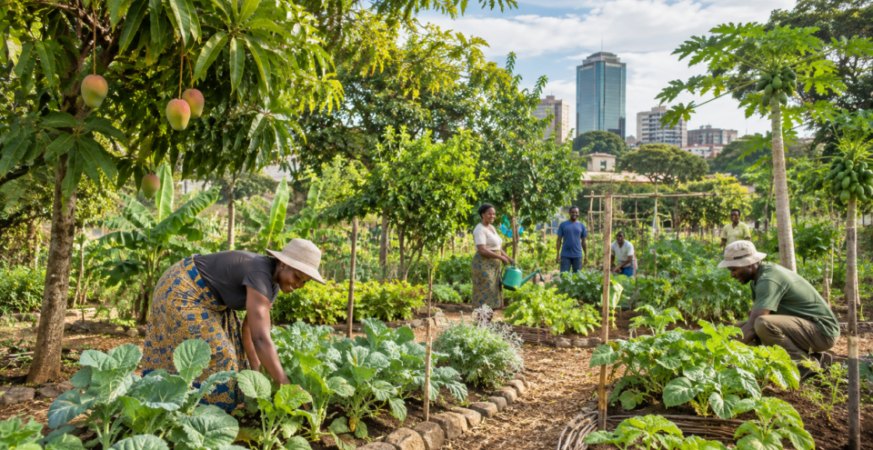
A Zimbabwe case study combines satellite vegetation, water and drought indicators to track stress in an urban orchard, while highlighting the limits of remote sensing.
A qualitative study of five Tshwane South primary-school principals found digital citizenship was framed as ethical participation, not simply device skills.
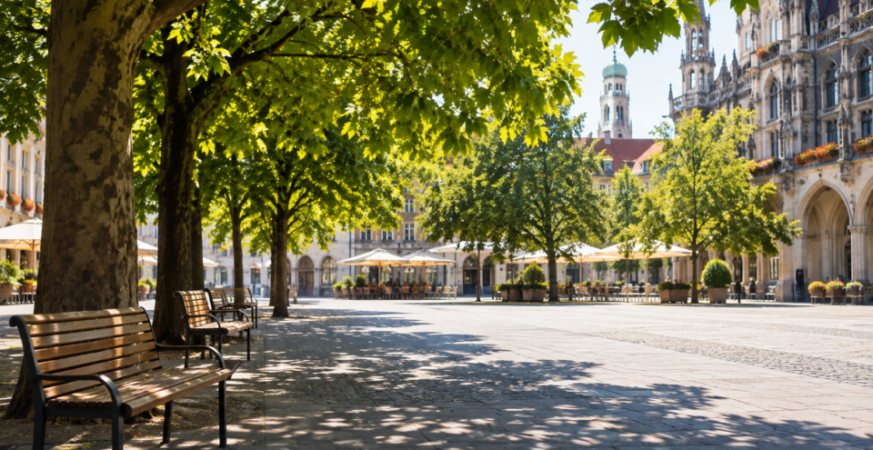
A Munich modelling study warns that warming and tree mortality could expose up to 96% of two green squares to intense or extreme heat stress by 2050.
In a Singapore medical centre pilot involving 35 faculty and staff, favourable chatbot recommendations rose from 23% to 51% after redesign.
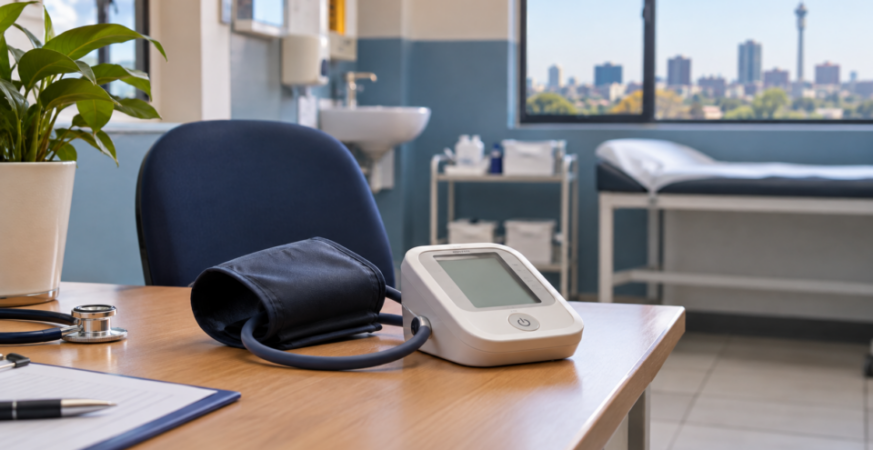
A longitudinal study of 23,855 Johannesburg clinic patients finds gaps in hypertension diagnosis and sustained control, particularly among people living with HIV.
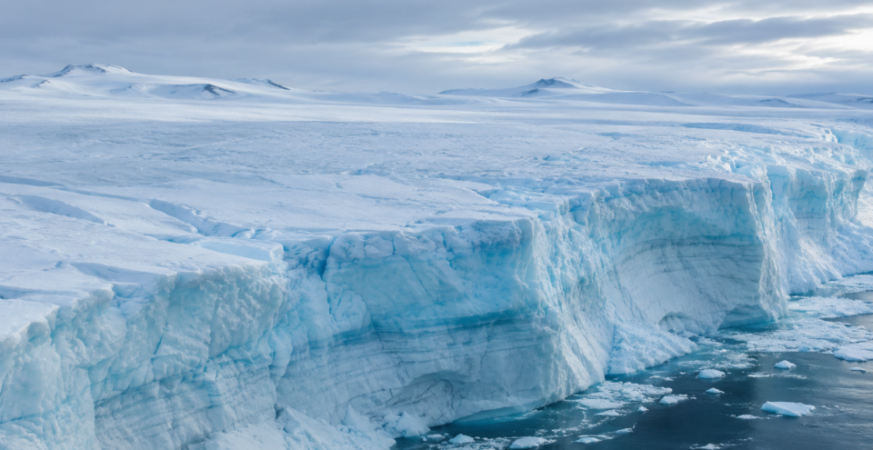
Numerical experiments suggest that deep ice in northern Greenland may be softer than commonly assumed, offering a possible explanation for giant radar-detected plumes without predicting faster melting.
A Canadian study of 120 uninjured adolescent athletes found plasma BDNF varied with sex and sport type, complicating its potential use in concussion assessment.
A US cancer-registry analysis of 35,262 metastatic breast cancer cases found that staging definitions materially changed apparent survival trends.