


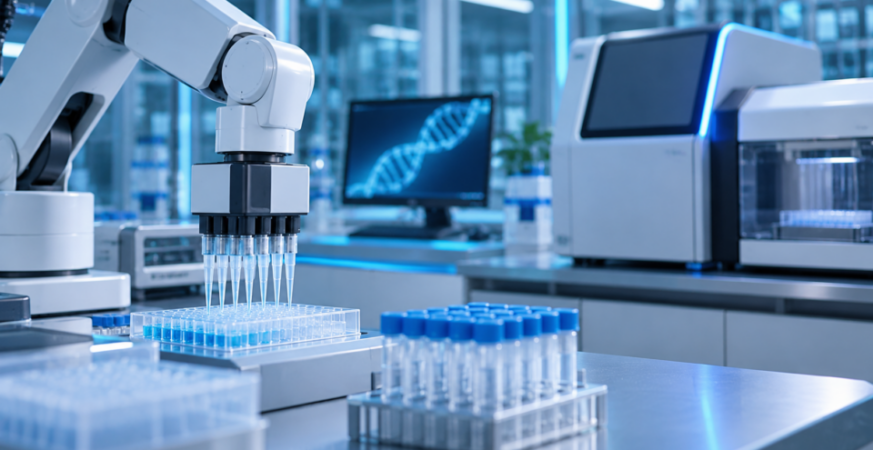
AI Laboratory Coordinated 11,000 Biomolecular Steps Across More Than 20 Instruments
A Nature study describes AutoDNA, an AI-coordinated laboratory that automated more than 11,000 steps and demonstrated DNA synthesis, storage and mutation detection.
Interviews with 15 Pakistani postgraduate students in London highlighted how language, belonging and social support shaped their adjustment.
A six-class randomized university trial found promising changes in belonging and engagement with structured AI-supported preparation, but exact tests underscored statistical uncertainty.
A 191-day wetland experiment found caffeine removal above 99% in lower layers, with different pollutants removed most effectively at different depths.
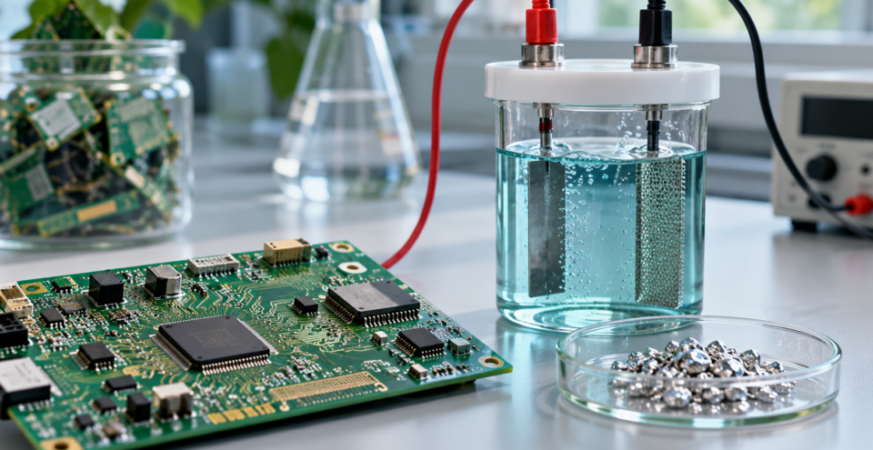
Researchers tested an electrochemical method that detaches components from waste circuit boards while recovering tin from solder. The lab results are promising, but industrial-scale performance remains unproven.
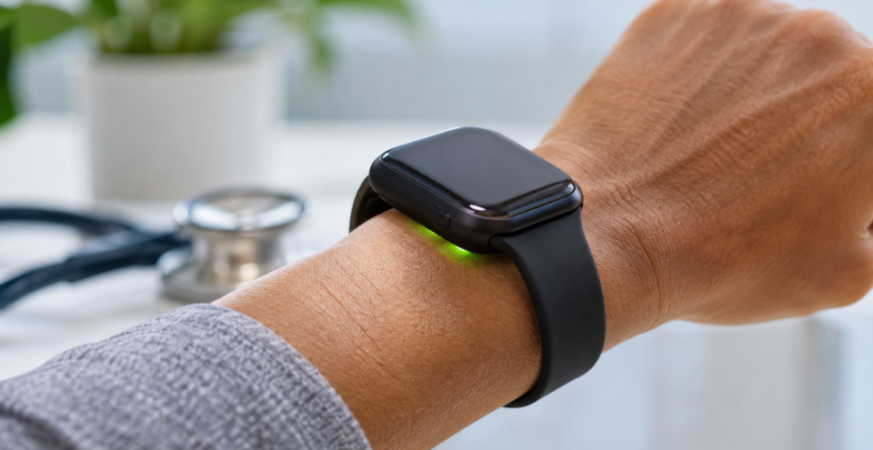
A Nature validation study found a smartwatch-based AI screening signal with 65.8% sensitivity and 90% specificity against ambulatory blood-pressure monitoring. It is not a substitute for a cuff.
A cucumber-leaf image model reached a Dice score of 0.923 on 1,080 held-out images, but independent performance across plants and greenhouses remains unverified.
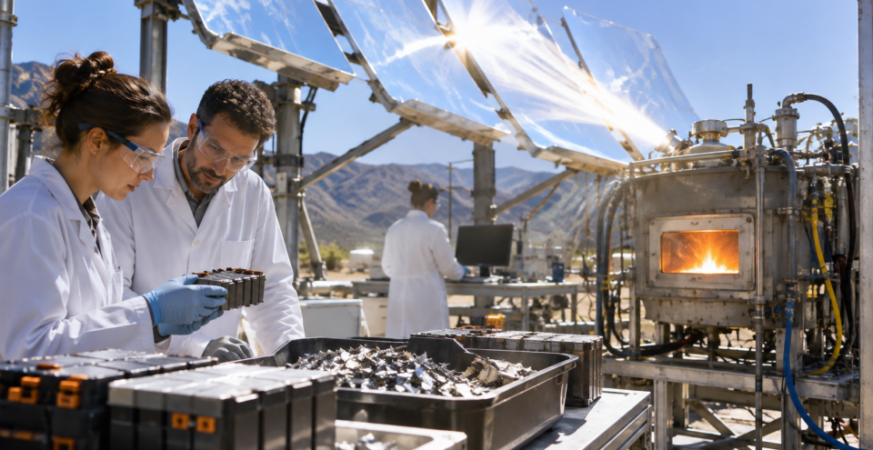
A new Nature Communications study demonstrates sunlight-driven photocatalytic recovery of battery metals and assesses its potential economic and environmental advantages.
An analysis of 17 G20 countries from 2000 to 2021 linked welfare measures and natural-resource rents with larger ecological footprints, without proving causality.
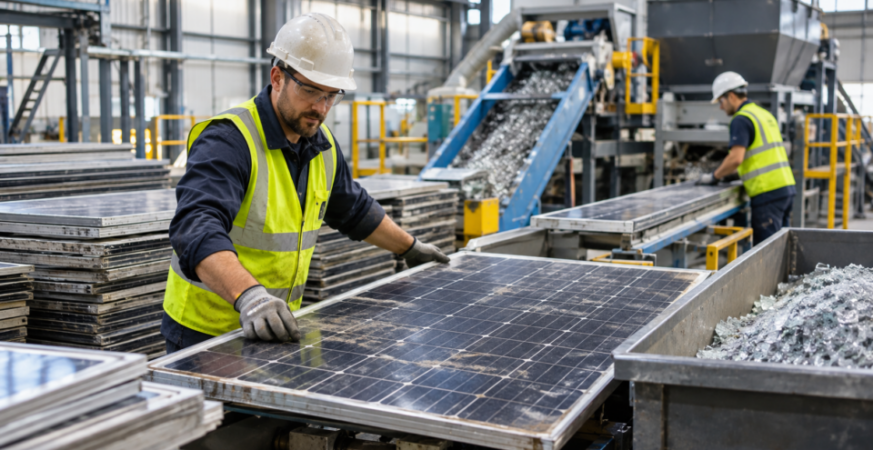
Global modelling projects 297–402 million tonnes of solar-panel waste by 2060 and finds a trade-off between recycling efficiency and the fair distribution of benefits.