



Hybrid Fitness AI Predicted Exercise Measures but Lacked Real-World Health Validation
An Indian research team tested a hybrid machine-learning and rules system for exercise recommendations, but did not establish long-term health benefits.
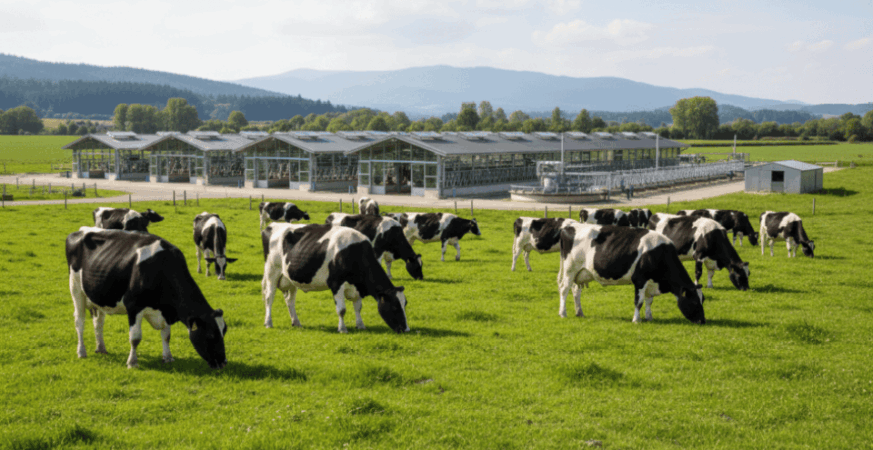
A Chinese provincial study links dairy-farming clusters to greater industry resilience, with technological innovation and spatial relationships among the possible explanations.
A community survey of 303 married women in Pokhara, Nepal, recorded reports of gender-based violence after marriage from 71.91% of participants.
A Turkish mixed-methods study found climate anxiety and eco-grief followed different moral routes linked to impulsive buying and environmentally conscious behaviour.
An analysis of 811 older Chinese adults linked internet use with wellbeing through socioeconomic resources and perceived social standing.
In 105 Chinese Economics students, rubric-organised AI feedback produced more descriptive revision activity, but the study did not establish a significant final-score benefit.
Among 217 Ghanaian education students, teaching support and organisational factors were more closely linked to online lecture satisfaction than ease of use.
A 360-patient pancreatitis study found a ten-predictor model moderately distinguished existing vein clots, but showed no clear advantage over pancreatic necrosis volume alone.
An urban resource-accounting model found rising environmental loading in many central Beijing communities between 2011 and 2020.
An analysis of up to 57,720 Indian adults linked side-by-side and full-tandem balance test completion to self-reported falls, but cannot predict future falls.