



Midterm results reshaped students’ sense of belonging before belonging predicted final exam performance
A study of introductory biology students found midterm performance predicted later belonging, which then predicted final exam outcomes.
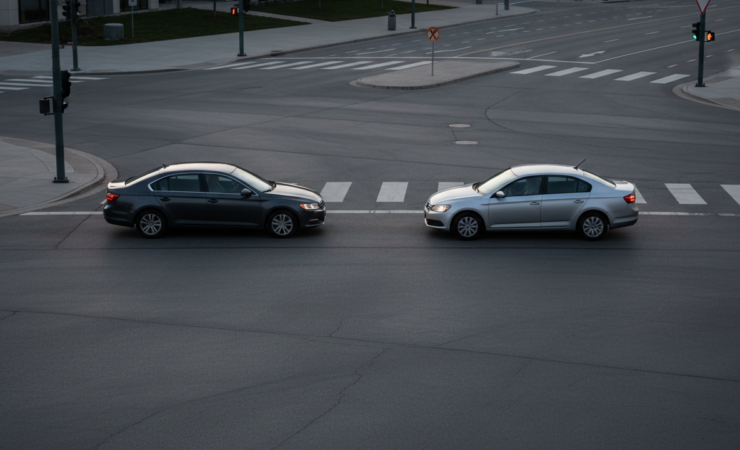
Two experiments found that moral judgments in everyday traffic scenarios changed with driver character, rule compliance, outcomes and presentation format.
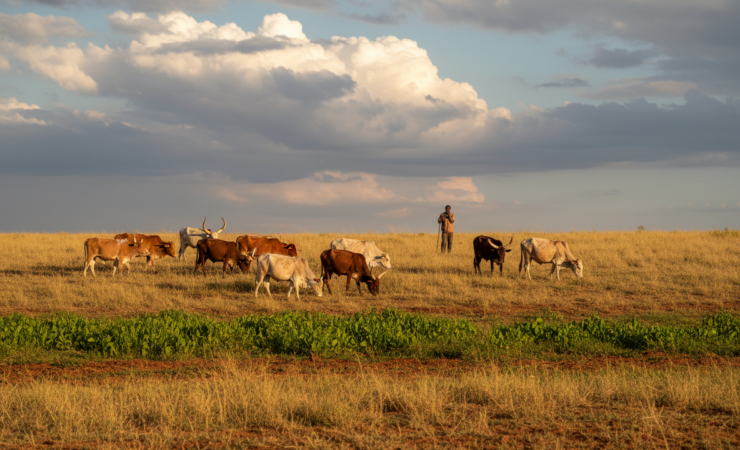
Southern African modelling suggests weather forecasts work best when pastoralists also have the resources to act before drought turns into livestock losses.
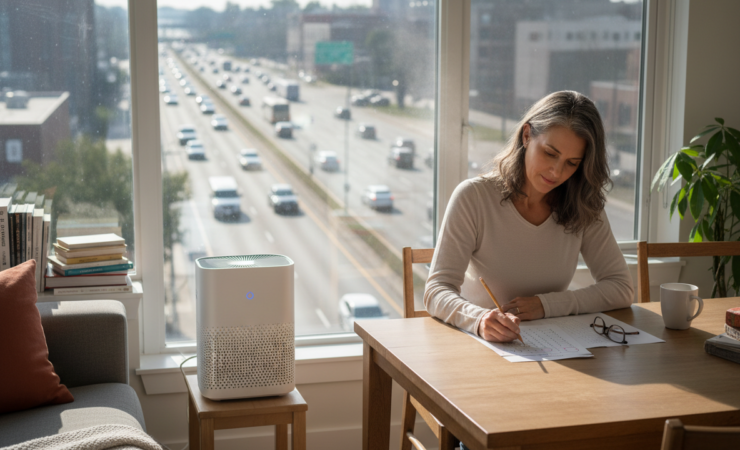
A randomized crossover trial found HEPA filtration cut indoor PM2.5 by 52%, while adults aged 40 and older completed an executive-function test 12% faster after real filtration than sham filtration.
A preregistered experiment with 153 participants found reward-linked distractions slowed responses when people selectively attended to the predictive colour, while the effect was absent when attention was directed to location.
A survey of 375 Ethiopian private-bank employees found environmental scanning was strongly associated with performance, partly through competitive strategy.
A study of 1,862 Saudi undergraduates linked cyber harassment engagement to perceived academic impairment and identified social norms and perceived control as important behavioural factors.
A Swedish study found post-COVID symptoms in 59% of 494 asthma and COPD patients with confirmed infection, with severity, obesity and chronic pain linked to higher odds.
A global study of 85 saline lakes recorded 200 threatened or near-threatened species and shows why their ecological and economic value is often underestimated.
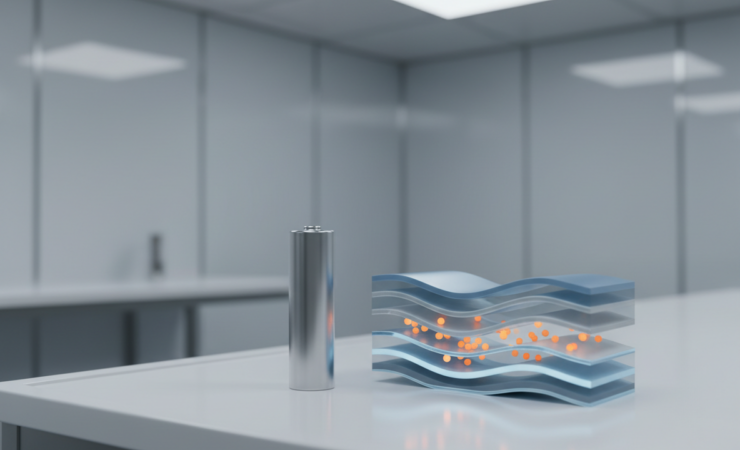
A new layered oxide cathode retained 82% capacity after 1,000 cycles, using charge reconfiguration to reduce damaging mechanical stress.