




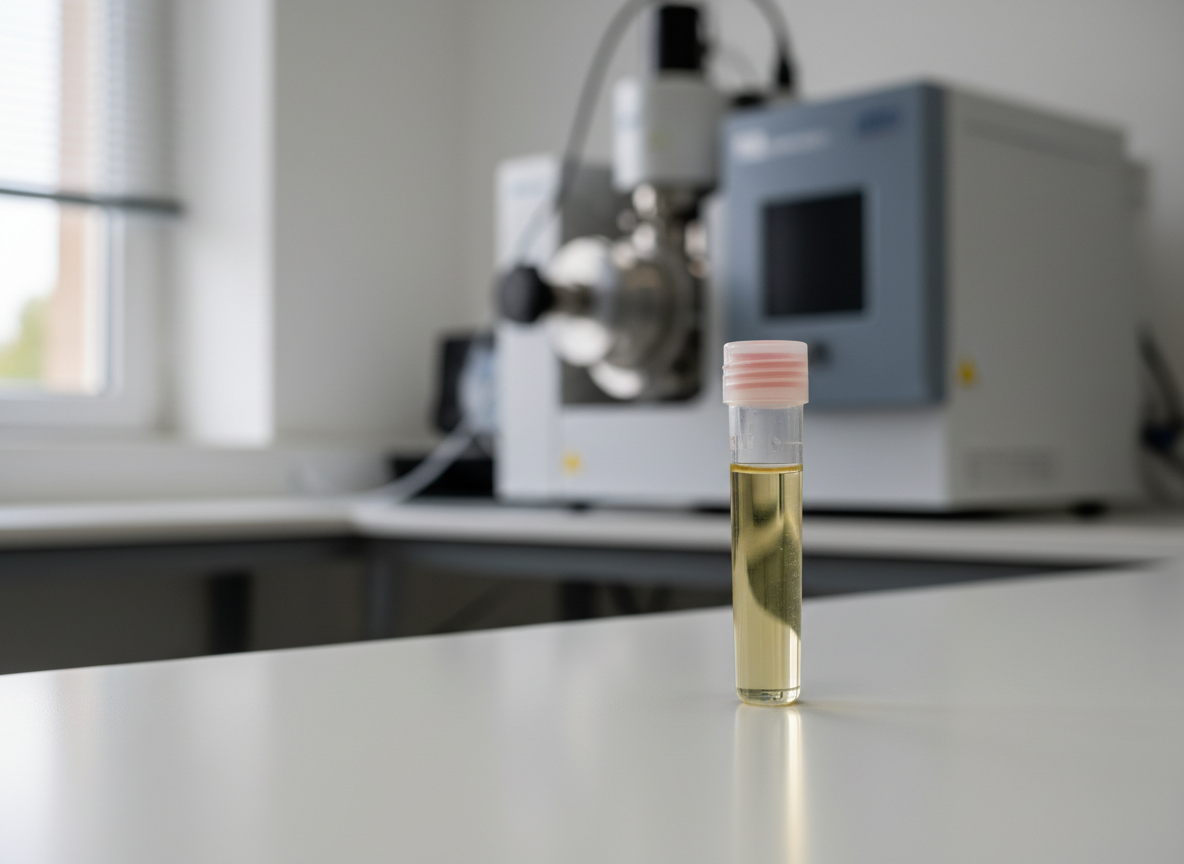



Laboratory testing of metformin tablets sold in Mekelle, Ethiopia, found that most products met key pharmacopoeial quality requirements, but three of the 10 products tested failed the specified disintegration limit.
The peer-reviewed study, published in Scientific Reports on 25 September 2026, evaluated immediate-release metformin hydrochloride tablets in two commonly marketed strengths. Researchers tested six 500 mg products and four 850 mg products using official pharmacopoeial quality-control procedures.
Assay and dissolution results were within the reported acceptance ranges across the tested products. However, the disintegration failures are important because a tablet must break apart appropriately before the active ingredient can become available for dissolution and subsequent absorption. The findings therefore highlight the value of continuing post-market quality surveillance, particularly in regions where medicine supply chains have been disrupted.
Why metformin quality matters
Metformin is widely used as a first-line oral medicine for type 2 diabetes. For patients who take treatment continuously over long periods, consistent pharmaceutical quality is essential. A tablet that contains the correct amount of active ingredient must also meet physical and performance specifications intended to support reliable drug release.
The researchers focused on Mekelle in Ethiopia’s Tigray region, noting that medicine-quality concerns can become more difficult in conflict-affected settings. Disruption to manufacturing access, distribution, storage, regulation and routine surveillance can increase the importance of checking products already circulating in the market.
The study did not test whether patients experienced treatment failure, and it did not establish that any product was falsified. Instead, it assessed whether sampled tablets met a series of laboratory quality specifications.
How the researchers tested the tablets
The team evaluated 10 commercially available immediate-release metformin hydrochloride products, comprising six products containing 500 mg and four containing 850 mg. All but one had online Ethiopian Food and Drug Authority registration numbers at the time assessed by the researchers.
The tablets underwent official pharmacopoeial tests covering physical characteristics, weight variation, hardness, disintegration, dissolution and assay of the active pharmaceutical ingredient. These tests examine different aspects of product quality rather than treating quality as a single measurement.
Weight variation assesses consistency between tablets. Assay testing determines how much metformin is present relative to the labelled amount. Disintegration testing measures how rapidly a tablet breaks apart under specified laboratory conditions, while dissolution testing measures how much of the drug enters solution over a defined period.
The researchers analysed the experimental data using OriginPro 2024 and one-way analysis of variance to compare products. Because this was an in vitro quality evaluation, the study examined pharmaceutical performance in the laboratory rather than clinical outcomes in people with diabetes.
Three products did not meet the disintegration limit
The clearest quality concern involved disintegration. Three of the 10 commercially available products did not meet the specified disintegration limit used in the study.
This means that 30% of the sampled products failed this particular laboratory criterion. It does not mean that 30% of all metformin sold in Mekelle is substandard, because the study tested a limited set of products and was not designed to estimate a population-wide prevalence.
Disintegration is only one component of tablet performance. A failure on this test should therefore be interpreted alongside the assay, dissolution and other physical quality results rather than as evidence that every aspect of the affected products was deficient.
Drug content remained within the reported assay ranges
For the 500 mg tablets, assay values ranged from 95.2% to 102.1% of the labelled amount. Among the 850 mg products, assay values ranged from 97.9% to 103.7%.
These findings indicate that the measured active-ingredient content was comparatively close to the labelled strength across the sampled products. The result is important because tablets containing substantially too little or too much active ingredient could create concerns about treatment consistency or safety.
Weight variation among the 500 mg tablets ranged from a deviation of minus 3.96% to plus 2.22%. For the 850 mg products, the reported range was minus 2.1% to plus 2.6%.
Dissolution exceeded 90% at 45 minutes
The dissolution findings were generally strong. For the 500 mg products, the amount dissolved at 45 minutes ranged from 90.4% to 99.7%. For the 850 mg products, the range was 97.9% to 101.6% at the same time point.
Dissolution testing provides an in vitro measure of how the active ingredient is released from the dosage form. The high percentages observed at 45 minutes show that the sampled tablets released most of their labelled metformin under the study’s test conditions, despite the separate disintegration failures identified in three products.
The distinction is useful. Pharmaceutical quality involves multiple attributes, and a product can perform acceptably on some tests while failing another. This is why post-market surveillance generally relies on a battery of standardised tests rather than a single measurement.
What the findings mean for medicine surveillance
The researchers argue that the results support regular quality monitoring of metformin products in the market. Their concern is particularly relevant to post-war and conflict-affected settings such as Tigray, where health systems and medicine supply chains may face unusual pressures.
Routine surveillance can identify products that require regulatory investigation, additional batch testing or examination of manufacturing and distribution conditions. It can also distinguish quality problems from broader concerns about access or medicine availability.
The findings should not be used to advise patients to stop taking prescribed metformin or to switch products without professional guidance. Laboratory surveillance studies identify potential quality-control issues at the product or batch level. Individual treatment decisions require information about the specific medicine being used and the patient’s clinical circumstances.
Important limitations
The study tested 10 marketed products collected in one Ethiopian city. The results therefore cannot establish the prevalence of poor-quality metformin across Ethiopia, across Tigray, or even across every batch sold in Mekelle. Pharmaceutical quality can vary by manufacturer, batch, storage history and time.
The work was conducted in vitro. It did not measure blood glucose control, metformin concentrations in patients, adverse events or other clinical outcomes. Laboratory dissolution and disintegration tests are important quality indicators, but they are not direct measurements of therapeutic effectiveness in individual patients.
The study also does not establish why the three products failed the disintegration criterion. Manufacturing formulation, excipient properties, compression conditions, storage and other factors can influence tablet behaviour. Determining the cause would require additional product-specific investigation.
Finally, one product lacking an online registration number should not automatically be described as falsified or illegal based on this finding alone. Registration databases and product status require regulatory verification beyond the laboratory tests reported here.
What the study adds
The research provides a recent snapshot of the pharmaceutical quality of immediate-release metformin products available in Mekelle. Most measured assay and dissolution values were within the reported ranges, but the disintegration failures show why apparently similar tablets still require systematic post-market testing.
For regulators and health systems, the practical message is not that all metformin in the region is unreliable. Rather, the study demonstrates that product-level surveillance can reveal specific quality deficiencies that would not be visible from packaging or labelled strength alone.
Source Information
Study: Quality control evaluation and dissolution performance comparison of marketed metformin hydrochloride tablets in Mekelle, Ethiopia: identifying substandard formulations
Authors: Afewerki Tesfay Gebremariam, Tesfamichael Gebretsadkan and Kalayou Hiluf Gebrmedhin
Journal: Scientific Reports
Published: 25 September 2026
DOI: 10.1038/s41598-026-72828-w
Study design: In vitro comparative pharmaceutical quality evaluation
Sample: 10 marketed immediate-release metformin hydrochloride products, including six 500 mg products and four 850 mg products