A Nap Helped Toddlers Remember Which Room They Were In
In a crossover experiment involving 28 toddlers, naps reduced confusion between two familiar rooms without significantly improving overall correct responses.
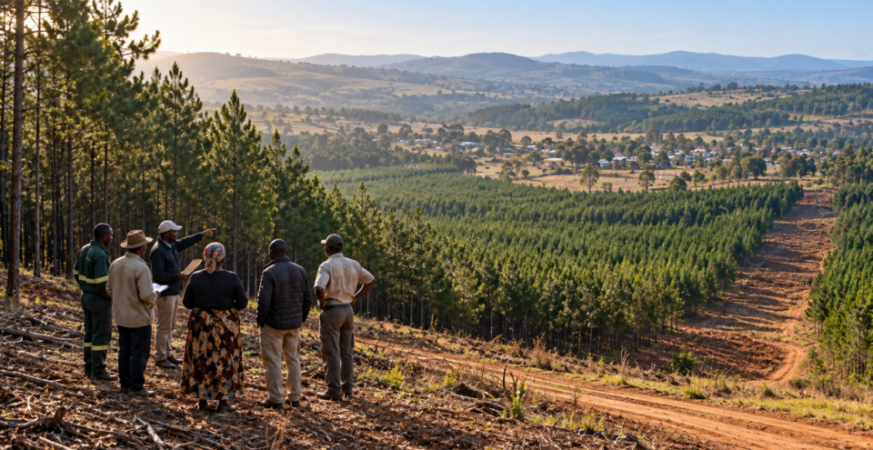
Surveying 180 households in two Mpumalanga forest restitution projects, researchers found unequal benefit sharing and elitism ranked above funding as perceived obstacles.
A survey of 2,042 people in Wales found low life satisfaction among 54.7% experiencing both limited social contact and subjective disconnection, compared with 5.6% of connected respondents.
Interviews with ten Johannesburg gig workers highlight how employment classification, algorithmic decisions and gaps in legal recourse can contribute to insecure platform work.
A Ugandan design-based study of 52 teacher trainees found high satisfaction with a low-cost environmental education website, although improved learning outcomes remain unproven.
A PLOS One study of 50,481 adults across 10 US states found that economic hardship was associated with cigarette and cannabis use, especially combined use. The analysis does not establish causation.
A global study of 400 coastal sites found that periods of low wave energy help explain mangrove distribution, with a mechanistic model achieving 78.2% accuracy.
A seven-week emotional coping and physical activity programme for 85 Western Cape adolescents achieved 84% completion and 94% acceptability, but effectiveness remains unproven.
A survey of 890 respondents, including 708 buy-now-pay-later users, linked financial anxiety with repayment problems and non-essential purchases but not with how frequently BNPL was used.
A global audit of cardiac rehabilitation programmes found that fewer than one-quarter of respondents reported reimbursement for home-based or hybrid care, highlighting persistent access barriers.