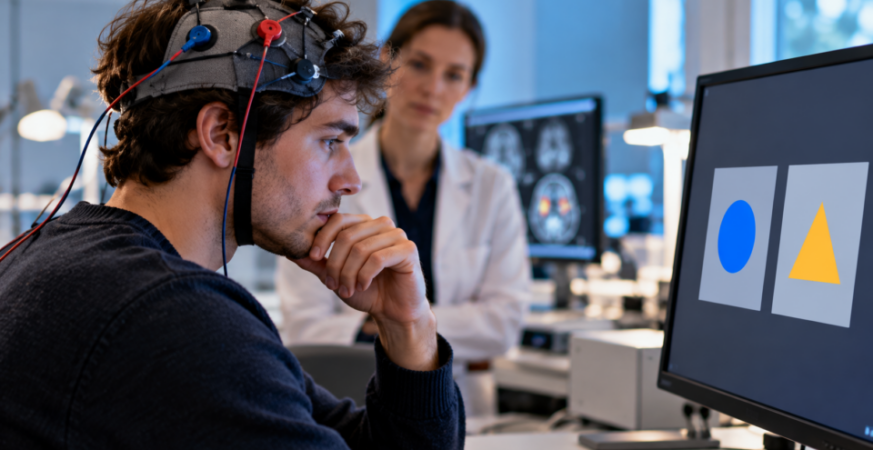
Extra Mental Tasks Reduced Risky Choices in Brain Stimulation Experiment
A 60-person experiment found that trivia questions slowed decisions and reduced risky choices, while brain stimulation shifted risk-taking and information seeking.
Across 28 countries, older adults who helped people outside their households reported fewer heart problems, but the study cannot show that helping caused the difference.
Researchers found a pH 7.7 shift in Mediterranean shell-building microbes. Under very high emissions, more than 400,000 km² could cross that threshold by 2100.
A study of 21,797 Swedish twins found links between heavy screen use and mental health weakened substantially when family factors were considered.
Two field studies covering 81,891 learners linked brief loading delays to distraction, fewer completed lessons and weaker results.
Scientists entangled the motion of a laser-levitated nanosphere with light escaping an optical cavity at room temperature, a step toward quantum interfaces.
A review of 106 studies found that digital assessments often reported reliability and validity, but just 8% reported strong evidence for tracking learning change.
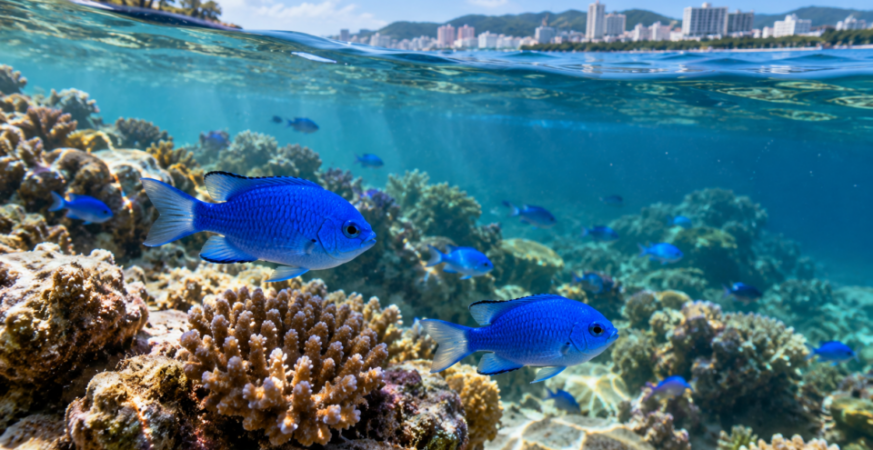
Gene activity in Okinawa reef fish suggests urban coasts can offer food while imposing physiological stress, a study across 18 sites finds.
In a Chinese choice experiment, cost carried 50.8% of modelled importance, while patients also valued specialist teams, consultations and AI support.
In a preregistered experiment, people found it harder to update reward rules for foods they liked, especially after their initial preferences were reinforced.