








Most people think of sleep as the body’s opportunity to recharge.
Scientists are increasingly discovering that the same may be true for the trillions of microbes living inside the human digestive system.
A large study published in Nature Communications has found that sleep habits are closely linked to the composition and function of the gut microbiome, reinforcing growing evidence that the relationship between sleep and health extends far beyond feeling rested the next morning.
Researchers analysed data from 6,941 participants in the Lifelines Dutch Microbiome Project, combining detailed information about sleep patterns, lifestyle factors and gut microbiome composition. Rather than focusing solely on how long people slept, the team also examined sleep timing, consistency and overall sleep quality before comparing those patterns with the bacteria living in participants’ digestive systems.
One pattern emerged quickly.
People with healthier sleep characteristics consistently showed differences in their gut microbiome compared with those experiencing poorer sleep. While researchers have suspected a connection for years, the scale of this analysis provided one of the clearest pictures yet of how closely the body’s internal clock and gut ecosystem appear to work together.
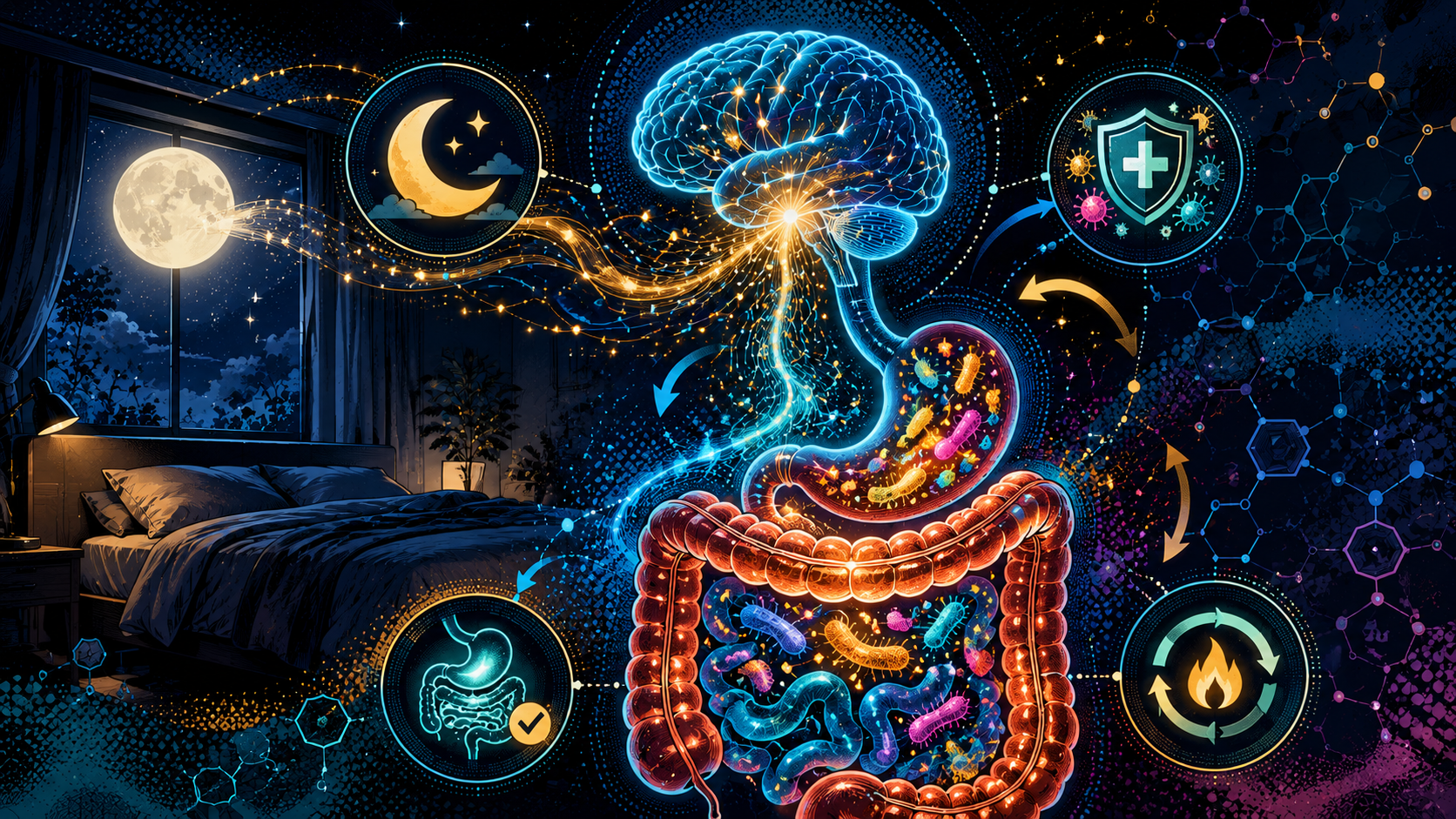
The findings build on a growing understanding of the so-called gut-brain axis — the constant two-way communication network linking the digestive system and the brain.
The gut microbiome helps produce compounds involved in immune function, inflammation and even neurotransmitters such as serotonin. At the same time, poor sleep can alter hormone levels, eating patterns and metabolic processes that influence which microbes thrive in the digestive tract.
Rather than operating independently, the two systems appear to influence each other continuously.
The researchers also found that lifestyle factors remain important.
Diet, physical activity and general health all interacted with sleep quality and the gut microbiome, suggesting that improving one aspect of health is unlikely to produce dramatic benefits if the others are neglected. Healthy sleep appears to work as part of a much broader network of behaviours rather than in isolation.
For South Africans, the findings are particularly relevant.
Many adults routinely sleep fewer than the recommended seven to nine hours because of demanding work schedules, commuting, shift work or family responsibilities. At the same time, digestive complaints, metabolic disease and chronic inflammation continue to place increasing pressure on the country’s healthcare system.
Although this study does not prove that improving sleep alone will transform gut health, it strengthens the case for viewing sleep as a core pillar of preventative healthcare rather than simply a lifestyle choice.
The technology behind studies like this is also evolving rapidly.
Modern DNA sequencing allows researchers to identify thousands of bacterial species from a single stool sample, while advances in wearable technology are making it easier to monitor sleep quality over long periods. Bringing these datasets together is giving scientists a far more complete picture of how everyday habits influence long-term health.
The authors caution that the relationship remains complex.
Individual microbiomes differ significantly between people, and genetics, medication use, diet and existing medical conditions all influence microbial composition. More longitudinal studies will be needed to determine exactly how improving sleep changes the microbiome over time and whether those changes directly reduce disease risk.
Even so, the direction of travel is becoming increasingly clear.
Health has often been viewed as a collection of separate systems — the brain, the digestive tract, the immune system and metabolism.
Research like this suggests they are far more connected than once believed.
A better night’s sleep may not simply leave you feeling refreshed the next morning. It could also be helping billions of microscopic partners inside your body perform one of the most important jobs of all: keeping you healthy.
Source Information
Study Title: The interplay of sleep characteristics with health factors and gut microbiome
Authors: Jiafei Wu, Sergio Andreu-Sánchez and colleagues
Journal: Nature Communications
Year: 2026