




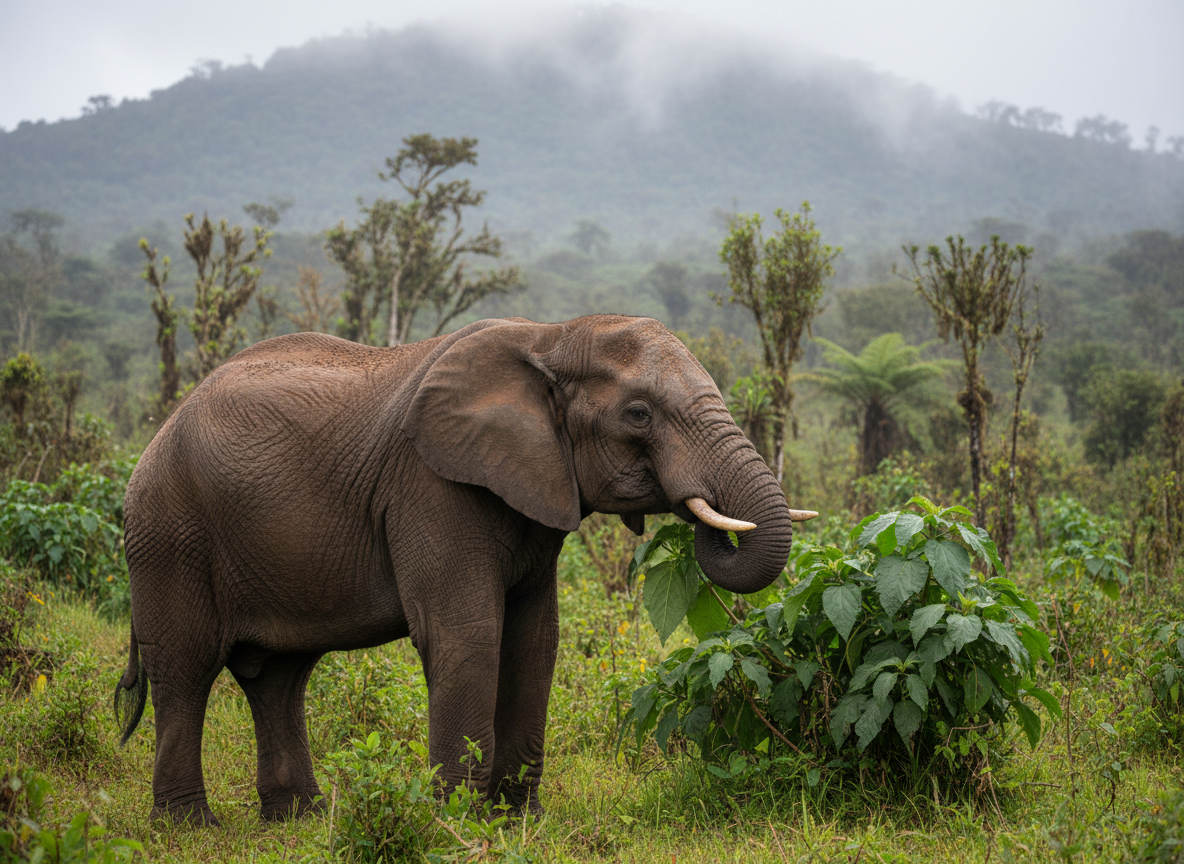

African elephants living around Mount Elgon in Kenya may deliberately seek particular plants when they are sick, according to a new peer-reviewed study that combined long-term local ecological knowledge with botanical identification and evidence from ethnomedicine.
Researchers interviewed eight Sabaot community experts, including wildlife scouts, elders and a retired ranger, who had extensive first-hand experience observing the region’s elephants. Their accounts identified 35 plant species from 23 families, as well as four soils, minerals or clays, that elephants were reported to use in ways potentially related to health.
Eight plants showed the strongest evidence of therapeutic use
Across the interviews, 39 resources met the researchers’ criteria for analysis. Informants said 34 of these resources, or 87%, also had traditional human medicinal uses. Twenty-five plant resources were explicitly described as having a medicinal function for elephants.
The researchers classified eight plant species as Mode 4 medication resources, the category used for materials reportedly sought by visibly sick elephants for therapeutic purposes or administered to offspring for a perceived health benefit. These included Aloe arborescens, Bersama abyssinica, Coleus barbatus, three Dombeya species, Ficus natalensis and Kuloa usambarensis.
Some accounts described elephants travelling directly to particular resources without stopping to feed elsewhere. Others described unusual preparation or consumption behaviours. One striking account involved mother elephants combining particular plants with breast milk before giving the mixture to calves, which local observers interpreted as a form of health protection.
Local knowledge was paired with botanical verification
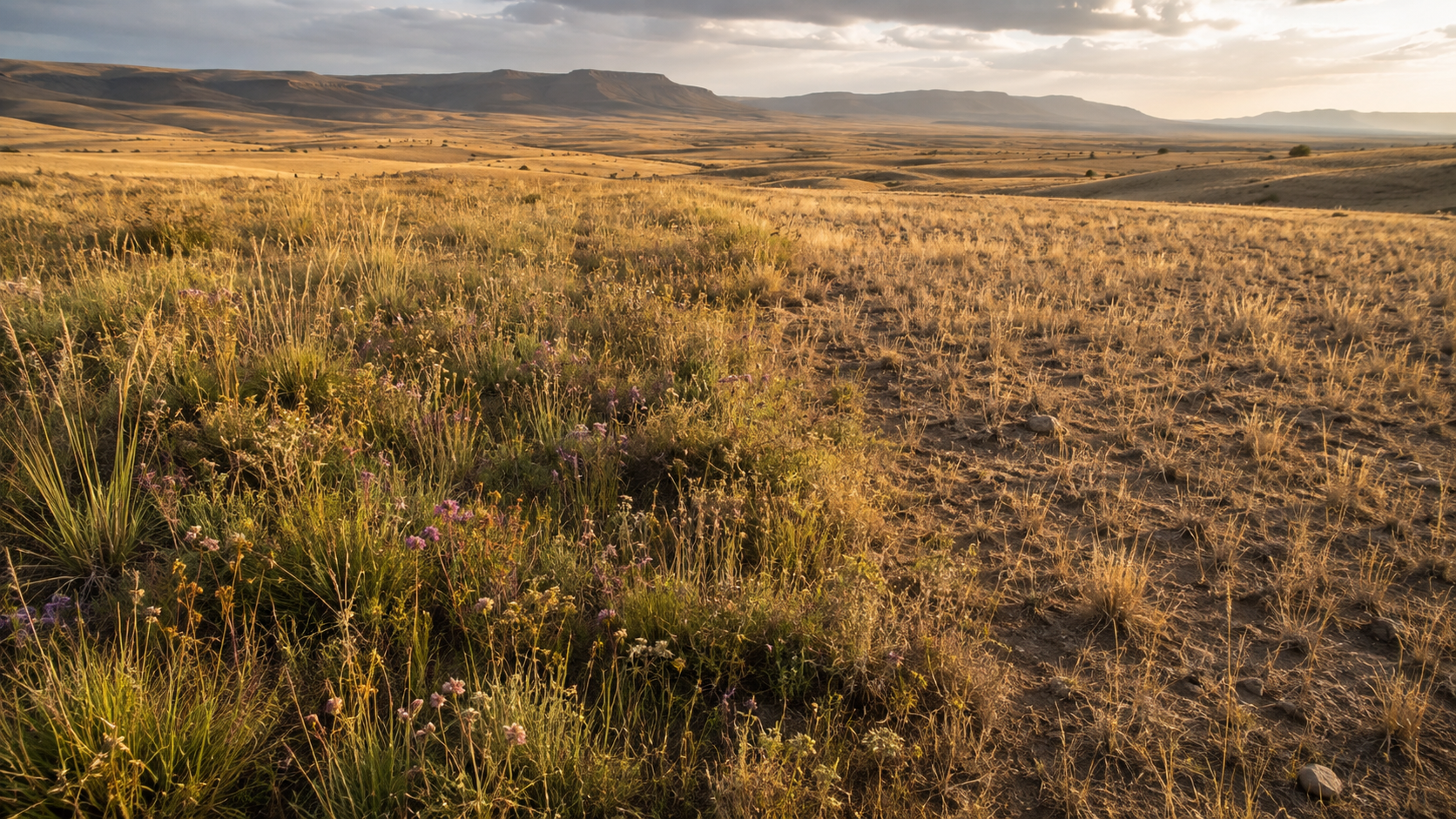
The study used semi-structured interviews conducted at seven locations across a 344.9 square kilometre study area in the Mount Elgon region. Plant species mentioned by participants were taxonomically identified using herbarium voucher specimens.
The researchers also reviewed existing literature for 10 frequently cited plant species. Nine of those species had previously documented ethnomedicinal uses, and the same nine had reported pharmacological properties. This overlap does not prove that elephants understand or intentionally exploit specific pharmacological effects, but it strengthens the case for testing the behaviour directly.
The findings are suggestive, not proof of self-medication
The study’s central limitation is important. The evidence relies heavily on first-hand accounts from eight knowledgeable observers rather than controlled experiments or continuous health and behavioural monitoring of individually identified elephants. The authors therefore describe the behaviour as putative self-medication.
Establishing intentional self-medication in wild animals is difficult because researchers need to connect an animal’s health state, its selective use of a resource and a measurable therapeutic effect. Long-term observation and pharmacological testing will be needed to establish whether the plants actually improve elephant health and whether the animals target them specifically because of those effects.
Why the finding matters
If confirmed, the behaviour would add to evidence that elephants possess sophisticated ecological knowledge and may socially transmit information about useful resources. It could also have conservation implications. Protecting elephant habitat may preserve not only food and migration routes but also access to uncommon plants and mineral resources that could form part of their health-related behavioural repertoire.
The work also demonstrates the scientific value of Indigenous and local ecological knowledge. The Sabaot experts’ long-term observations helped researchers identify behaviours that would be difficult to capture through short field studies alone and generated specific hypotheses that can now be tested using behavioural, chemical and pharmacological methods.
Source Information
Study: African elephants putatively self-medicate with medicinal plants in the Mount Elgon region, Kenya
Authors: Fabien Schultz, Thomas O. Clark, Christopher Powles, Elodie Freymann, Rahab N. Kinyanjui, Emmanuel Ndiema, Jonathan Mbula Sila, Kandace Baez, Alicia J. M. Colson and Leif-Alexander Garbe
Journal: Scientific Reports
Published: 24 September 2026
Article: Scientific Reports 16, 28904 (2026)
DOI: 10.1038/s41598-026-53610-4