




Poorer Sleep Linked to Weaker Visual Memory Retention in US Adult Study
A study of 214 US adults found an association between poorer reported sleep and weaker visual memory retention among Black participants, while causal mechanisms remain unproven.
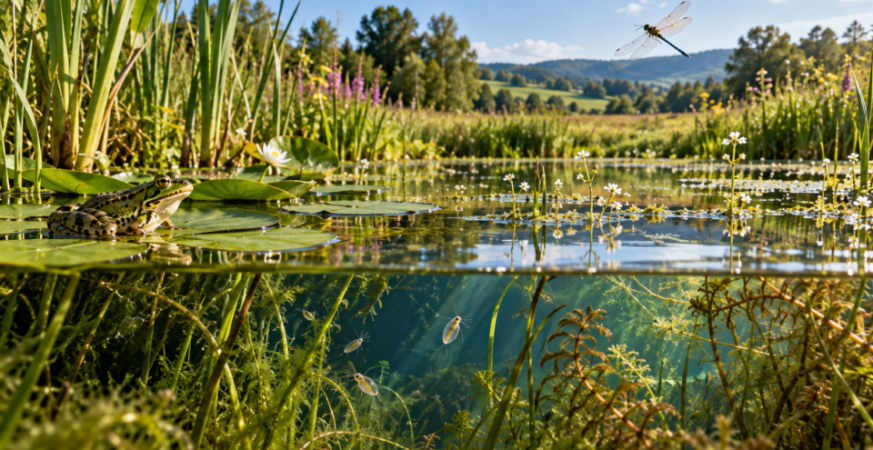
A new study of 206 European ponds finds aquatic biodiversity is associated with stronger ecosystem multifunctionality, while excess nutrients linked to cropland undermine several functions.
A randomised experiment with 320 university students found that a short critical-thinking lesson produced higher AI literacy task scores than procedural prompting instruction, especially on open-ended tasks.
A study across 104 dryland sites found that biodiversity’s relationship with ecosystem multifunctionality changes with aridity, weakening above an index of 0.83.
In a trial of 250 kindergarten children, 12 weeks of guided STEM apps improved computational-thinking scores modestly. The findings do not endorse unlimited screen time.
Researchers combined 114 Indigenous community interviews with field surveys and camera traps to document seasonal gatherings of more than 500 Mishmi takins in India’s Eastern Himalayas.
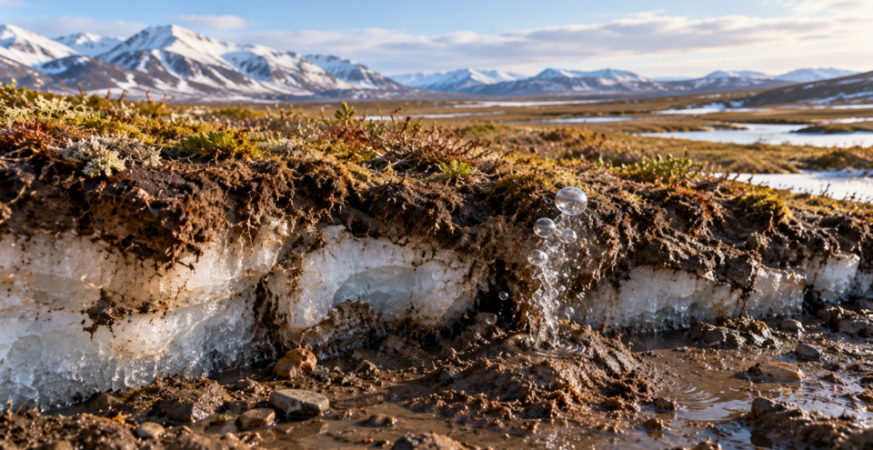
Laboratory tests on frozen Alaskan soil show how warming and gas pressure can trigger sudden breakthrough, offering clues for modelling gas movement in thawing permafrost.
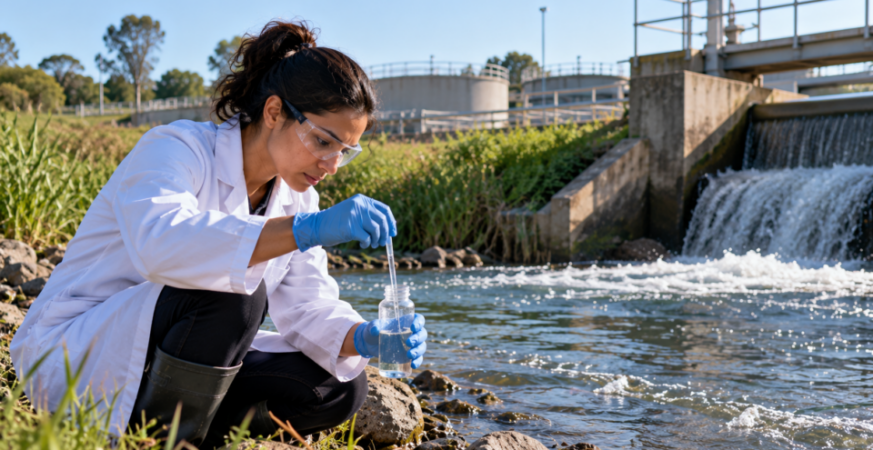
Researchers testing 72 water samples around two Johannesburg wastewater plants detected antibiotic-resistant bacteria, with striking differences in bacterial removal between facilities.
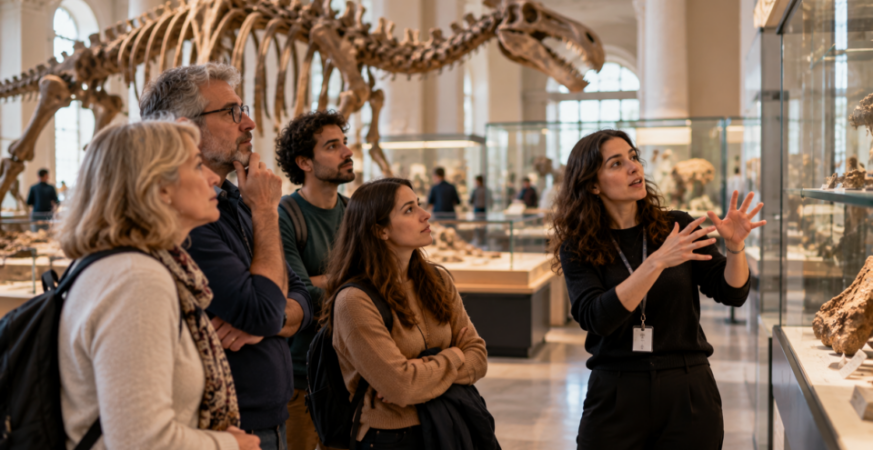
In a study of 135 adults at two Milan museums, anxiety scores fell and mood improved after guided tours or group discussions, although the design cannot prove causation.
A survey of 1,149 nurses across 22 hospitals links poorer sleep to lower wellbeing, with resilience and coping capacity accounting for part of the statistical association.