






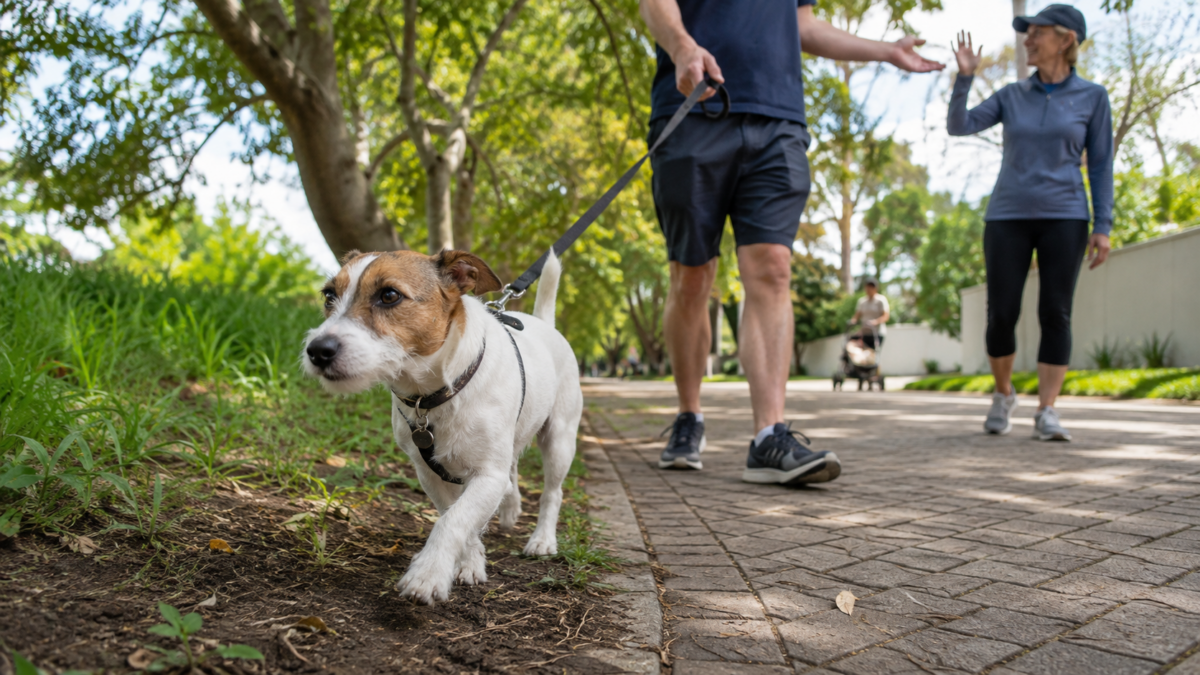
Dogs can change when people wake up, how often they walk, who they speak to and what enters their homes.
New research suggests some of those changes may reach much further into human health than companionship alone.
Scientists studying families with dogs have found differences in household microbes, physical activity, social interaction and emotional support. In infants, certain microbes associated with dogs have even been linked to fewer infections and less antibiotic use during the first year of life.
Yet the wider evidence comes with an important warning.
Simply owning a dog does not automatically make somebody healthier.
Dogs change the microbes inside a home
One of the most intriguing findings comes from a Finnish study involving 368 children followed from pregnancy through their first year of life.
Parents recorded illnesses, fevers, ear infections, antibiotic use and whether a dog lived in the household. Researchers also collected floor dust when the babies were around two months old and analysed the bacteria and fungi present.
Homes with dogs contained a recognisably different microbial environment.
The researchers identified 12 bacterial and two fungal groups associated with dog keeping. Several of those microbial signals were in turn associated with better health outcomes during infancy.
Dog-associated microbes could explain up to about a quarter of the relationship between having a dog and outcomes including fewer respiratory infections, reduced antibiotic use and more healthy weeks during the baby’s first year.
The result provides a possible biological mechanism for an observation researchers have made before: young children exposed to dogs sometimes experience fewer respiratory illnesses.
A dirtier home is not necessarily an unhealthier one
For generations, health advice has often treated microbes mainly as something to remove.
That remains important when dealing with pathogens.
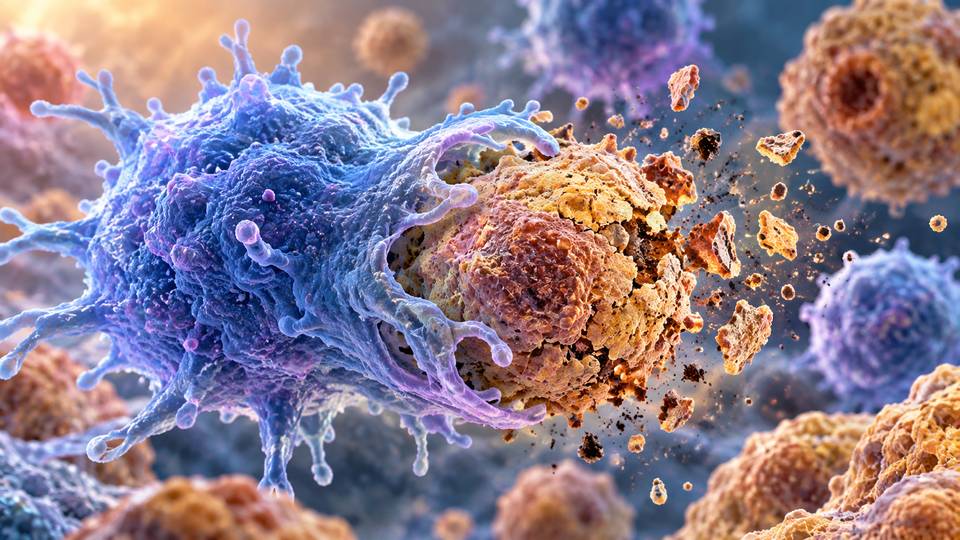
But humans also live surrounded by enormous communities of harmless and potentially beneficial microorganisms. Early exposure to diverse microbes helps train the developing immune system to distinguish between genuine threats and ordinary environmental exposure.
Dogs alter that environment.
They move between gardens, pavements, parks and indoor spaces. Microorganisms travel on their paws, coats and through ordinary contact with household surfaces.
In the Finnish study, researchers found that general microbial diversity alone did not explain children’s health outcomes.
Specific dog-associated organisms appeared more important.
One of the strongest signals involved Pasteurella, bacteria commonly associated with dogs’ and cats’ mouths and respiratory systems. Its presence in household dust was associated with fewer weeks of fever.
That does not mean parents should deliberately expose babies to particular bacteria.
It suggests that the microbial environment created naturally by living with animals may influence how the immune system develops.
Dogs also change what their owners do
Microbes are only one part of the relationship.
Dogs require action.
They need to be walked, fed, let outside and cared for regardless of whether their owner particularly feels like exercising that morning.
That makes dog ownership unusual compared with many health interventions.
The motivation comes with four legs.
Previous research has repeatedly found that dog owners, particularly those who regularly walk their dogs, tend to be more physically active than people without dogs.
A meta-analysis examining pet ownership, physical activity and mental health found a moderate positive effect of pets on owners’ daily physical activity.
Other research has found dog owners more likely to meet recommended weekly activity levels.
The distinction matters.
Owning a dog that spends most of its time in a garden is not physiologically equivalent to walking one for several kilometres every day.
Once again, the health effect appears to depend on the relationship and behaviour around the animal rather than ownership itself.
A dog can change a person’s social world
Walking also places people outside their homes.
A dog stops to investigate something. Another dog approaches. Owners speak.
Those interactions may seem trivial, but repeated casual contact contributes to the social environment people live in.
A newly accepted 2026 study from researchers at Azabu and Gunma universities examined daily social interaction alongside cortisol and gut-microbiome measurements.
Dog ownership was associated with closer relationships with other people.
More importantly, researchers found no clear direct effect of companion animals on wellbeing. Instead, dogs appeared capable of influencing wellbeing indirectly by helping broaden social connections beyond the household.
That is a more interesting finding than saying dogs simply make people happy.
The animal may change the conditions in which social connection happens.
A person still has to participate in them.
The emotional benefit is not universal
This distinction is reinforced by another large 2026 study.
Researchers surveyed a representative sample of 2,328 people in Switzerland and compared pet owners with non-owners across health, healthcare use, loneliness, life satisfaction, psychological wellbeing and social support.
They found surprisingly little evidence for a universal “pet effect”.
Pet owners did not report better life satisfaction, less loneliness, greater psychological wellbeing or more human social support.
They actually reported slightly poorer health overall, although the study could not establish that pets caused that difference.
What did matter was the relationship itself.
People who spent more time with animals tended to report stronger attachment and greater emotional support, with dogs particularly likely to be associated with strong owner relationships.
This helps explain why studies of pet ownership can produce contradictory results.
Two people can both tick “dog owner” on a questionnaire while living completely different lives with their animals.
Dogs can create health costs too
There is another reason not to treat dog ownership as medicine.
Dogs require money, time and responsibility.
A poorly behaved animal can create stress rather than reduce it. Dogs can cause falls, bites and injuries, and animals can transmit some infections to humans. Allergies can make living with a dog uncomfortable or medically inappropriate for some people.
Caring for an ageing or sick animal can also become emotionally and financially demanding.
This makes the suggestion to “get a dog for your health” far too simple.
Someone who dislikes dogs, cannot exercise one properly or cannot afford veterinary care is unlikely to gain the same experience as somebody whose dog naturally becomes part of an active and socially connected life.
The strongest effect may be everything around the dog
This is where the emerging evidence becomes useful.
Researchers are gradually moving away from asking whether dog owners are healthier than non-dog owners.
That question treats the animal almost like a tablet that somebody either takes or does not.
The better question is what changes when a dog becomes part of a person’s life.
In a household with a baby, the dog can change the microbial environment.
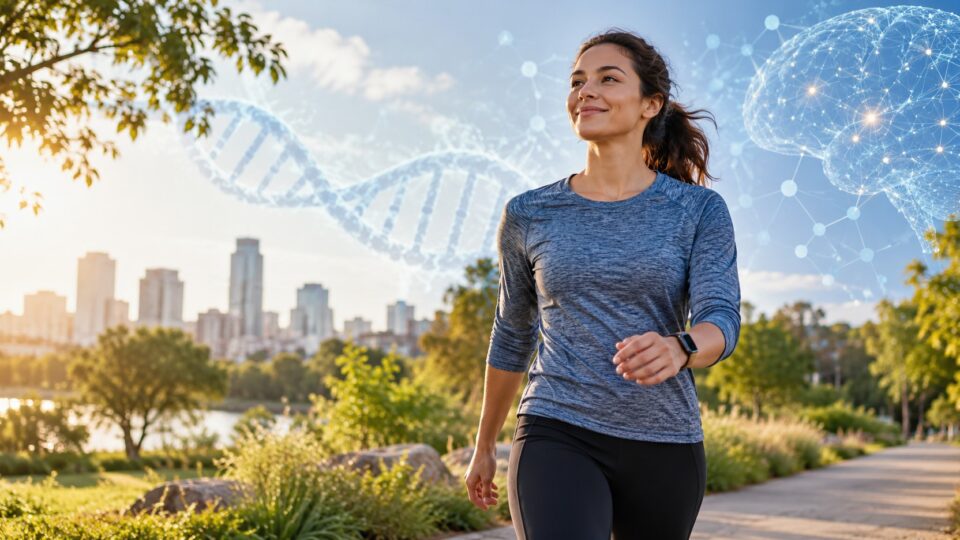
For an adult, it may create a reason to walk every day.
For someone living alone, it may create routine and companionship.
A walk can lead to conversations with neighbours.
Physical contact may affect stress responses.
Responsibility can create purpose.
None of these mechanisms requires dogs to possess a mysterious therapeutic effect.
They simply show how deeply an animal can become connected to the physical, social and biological environment of the people living around it.
And that may explain why the health effects of dogs are simultaneously real in some studies and difficult to reproduce in others.
The important factor may not be having a dog.
It may be what life with that particular dog causes a person to do.
Source Information
Primary Study Title: The role of dog keeping in the home microbiota and its impact on children’s health
Authors: Jenni M. Mäki, Pirkka V. Kirjavainen, Martin Täubel, Pauli Tuoresmäki, Eija Piippo-Savolainen, Katri Backman, Juha Pekkanen and Anne M. Karvonen
Journal: Pediatric Allergy and Immunology
Published: 12 June 2026
DOI: 10.1111/pai.70408