


Biodiversity’s Benefits Shift as Grasslands Dry, Study of 104 Sites Finds
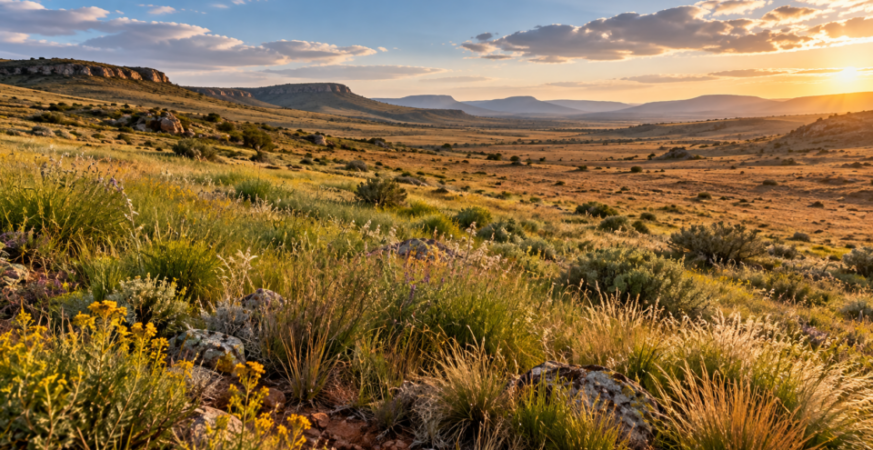
A study across 104 dryland sites found that biodiversity’s relationship with ecosystem multifunctionality changes with aridity, weakening above an index of 0.83.
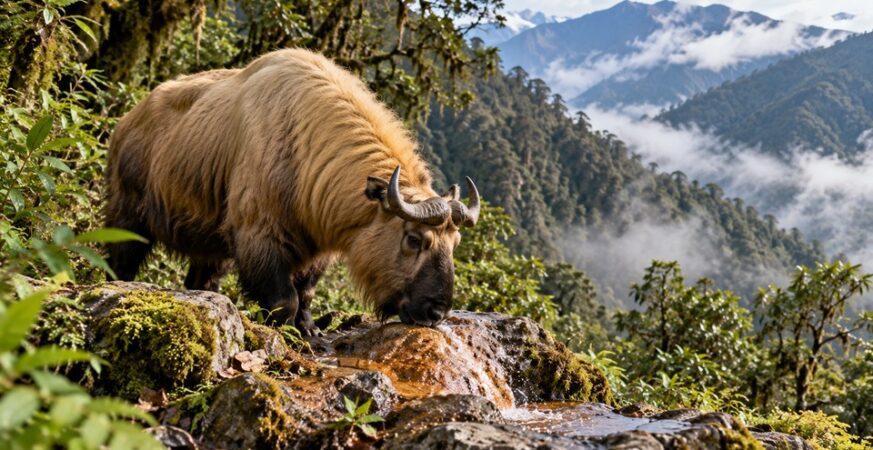
Researchers combined 114 Indigenous community interviews with field surveys and camera traps to document seasonal gatherings of more than 500 Mishmi takins in India’s Eastern Himalayas.
In a trial of 250 kindergarten children, 12 weeks of guided STEM apps improved computational-thinking scores modestly. The findings do not endorse unlimited screen time.
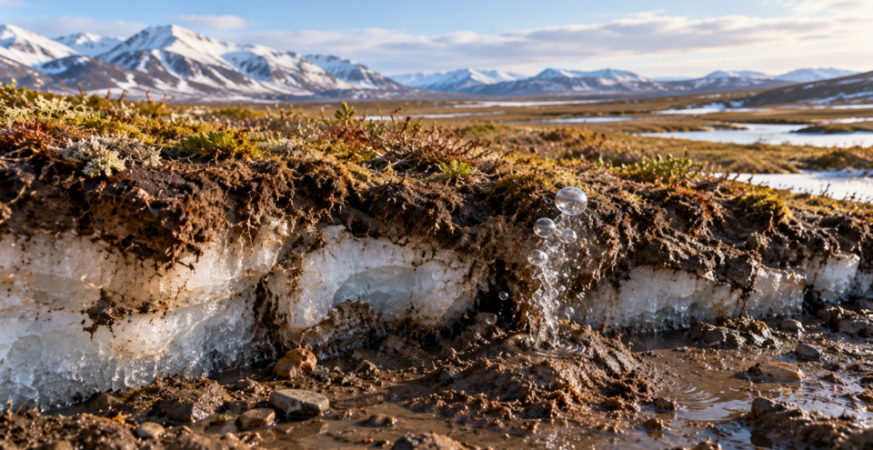
Laboratory tests on frozen Alaskan soil show how warming and gas pressure can trigger sudden breakthrough, offering clues for modelling gas movement in thawing permafrost.
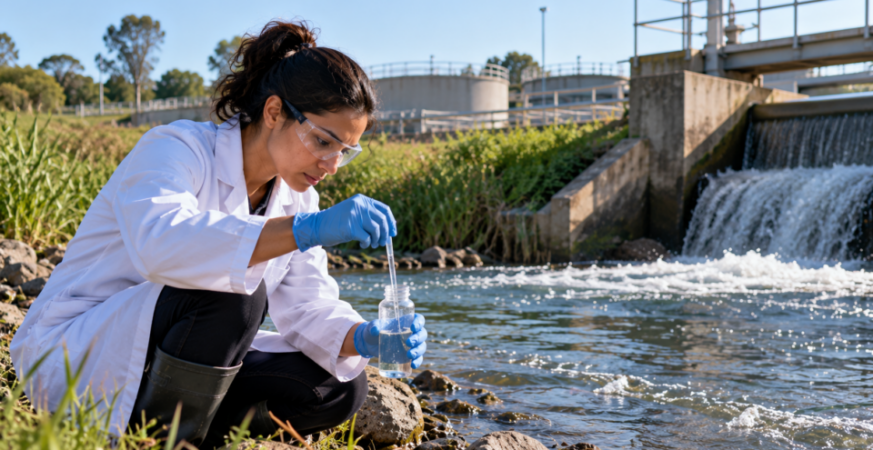
Researchers testing 72 water samples around two Johannesburg wastewater plants detected antibiotic-resistant bacteria, with striking differences in bacterial removal between facilities.
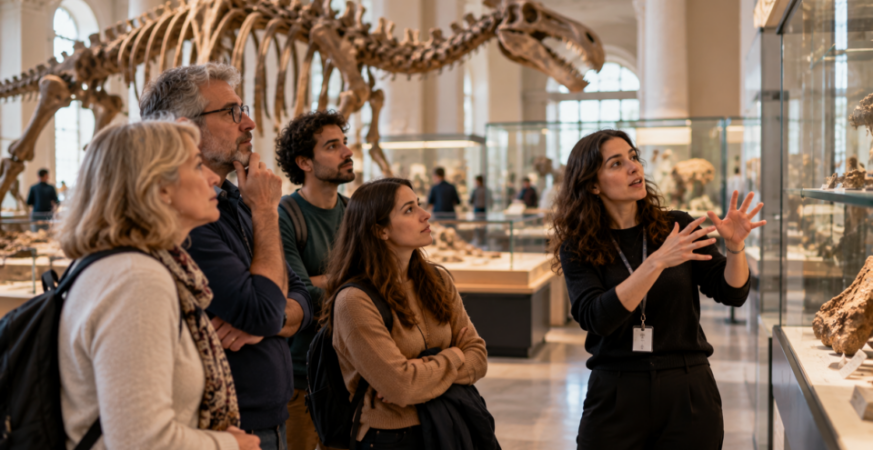
In a study of 135 adults at two Milan museums, anxiety scores fell and mood improved after guided tours or group discussions, although the design cannot prove causation.
A survey of 1,149 nurses across 22 hospitals links poorer sleep to lower wellbeing, with resilience and coping capacity accounting for part of the statistical association.
Four-wave study of 961 physical education teachers links institutional digitalisation to greater reported digital stress. Digital confidence weakened, but did not erase, the association.
A survey of 439 researchers links perceived AI quality to work wellbeing indirectly through reduced verification effort, with trust shaping the relationship.
In a two-week study, young people who cut social media use by at least 30 minutes a day reported small friendship gains, while stricter limits showed no clear benefit.