



Alzheimer’s Blood Markers Change Faster With Age in People Carrying a Key Risk Gene
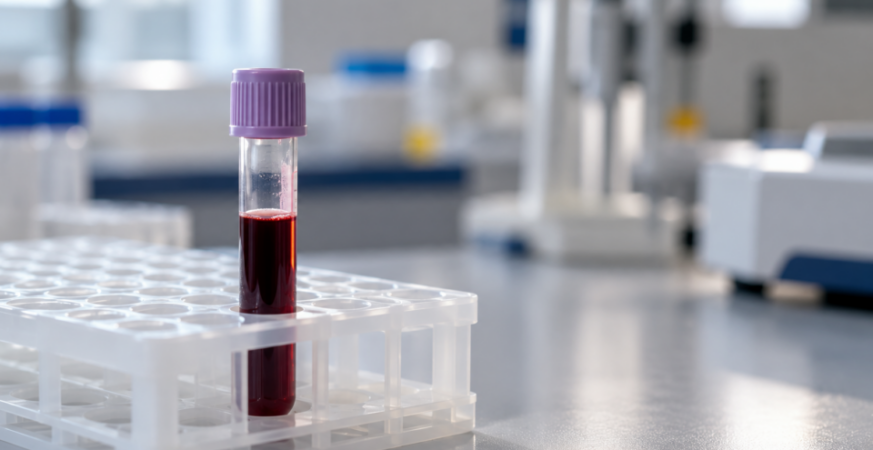
A study of 5,913 adults finds Alzheimer’s blood biomarkers change more steeply with age in APOE ε4 carriers, offering clues for interpreting early-detection tests.
An OECD analysis covering 2000–2023 links exports of environmental technologies to stronger environmental performance, while imports show a more conditional relationship.
Researchers combined mixed plastic waste and discarded foundry sand into experimental cement-free bricks, reporting 5.32 MPa compressive strength and 1.11% water absorption.
Genetic analysis of 35 Philippine eagles reveals higher inbreeding among wild-origin birds than those bred under conservation care, offering new clues for protecting the species.
A placebo-controlled trial in 64 Korean adults found that the insomnia medicine lemborexant improved laboratory measures of falling asleep and staying asleep over 30 days.
A study of 21 Atlantic hurricanes and 7,987 US ZIP codes finds lost sales equal to about two normal trading days, with transaction activity recovering within ten days among surviving businesses.
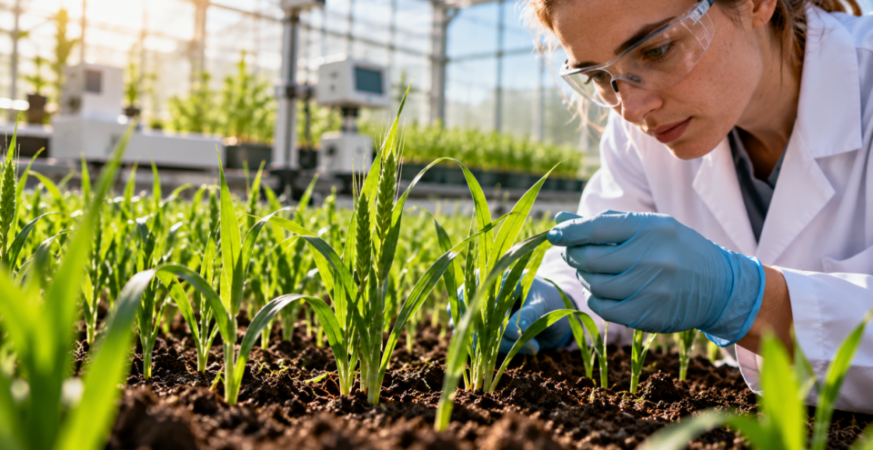
New Nature Communications research identifies how brassinosteroid hormones influence BIN2 and KIN10 signalling to improve nitrogen assimilation in experimental plants, with field benefits still unproven.
In 64 AI-generated academic reviews, ChatGPT ratings differed sharply when users supplied positive versus negative assessments of the same manuscripts, raising questions about independent AI evaluation.
A study of 38 trained pianists finds that broad musical expertise and learning a specific passage both help reduce performance losses when playing while doing mental arithmetic.
An analysis of 1,992 terrestrial mammal species finds that temperature and climate extremes reshape habitat suitability differently across regions, revealing localised risks that global averages can miss.