




For virtual idols, story and content mattered more than looks in fan adoption study
A study of 259 K-pop fans found narrative openness and engaging content were stronger predictors of realistic perceptions of virtual idols than visual appeal.
First-principles calculations predict that lead-free NaZrCuS3 could reach a thermoelectric ZT of about 0.78 at 1000 K, supporting experimental study for high-temperature waste-heat recovery.
A newly identified Enterococcus faecium outbreak clone in Austria was missed by several routine resistance tests, exposing a diagnostic gap that could allow hospital transmission to go unnoticed.
A multi-method study of 154 Tasmanian platypuses found converging anatomical, hormonal and behavioural evidence that breeding peaks in November and December, supporting an earlier start to seasonal disturbance protections.
A study of 9,418 first-year university students found obsessive-compulsive symptoms were associated with sleep disturbance, with anxiety and depression forming important indirect pathways.
A new knowledge-tracing model used global sequence context and diffusion-based refinement to stay more robust when learners showed abrupt changes in performance across four benchmark datasets.
A study of 14 people with multiple sclerosis found that targeted mobile prompts reduced sit-to-stand trunk flexion by 7.1 degrees and increased walking stance width by 8.1 mm.
A new multimodal AI system improved fake-news classification accuracy by 2.2 percentage points on Weibo and 1.5 points on GossipCop by aligning text, image and vision-language representations.
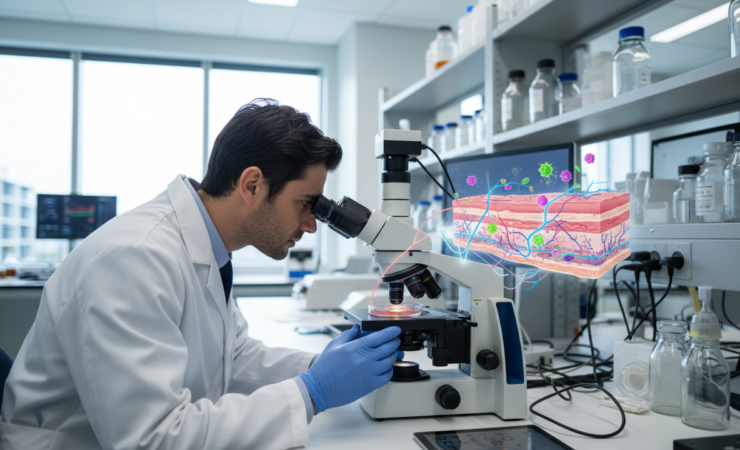
Researchers combined human stem-cell-derived skin and blood-vessel organoids to create vascularised skin assembloids that reproduced selected features of allergic inflammation and responded to established atopic dermatitis drugs.
An extended DICE climate model found that treating population as a separate emissions driver raised optimal abatement to 46.7% by 2030 and full abatement by 2070.