



Dodoma’s built-up land could reach 25.5% by 2046 as Tanzania’s capital expands
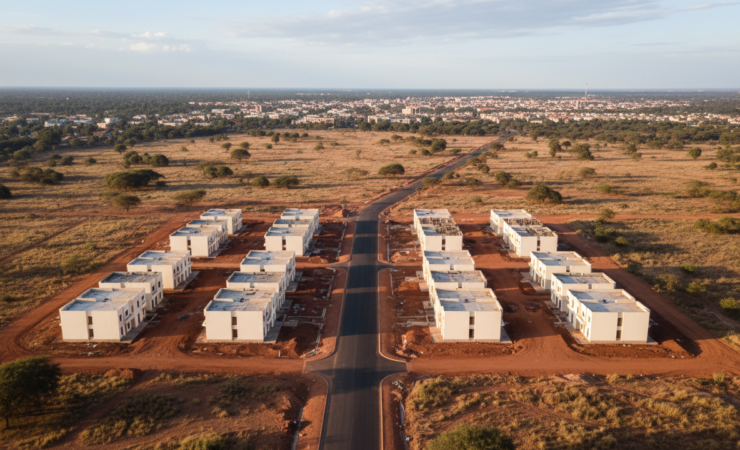
Satellite and machine-learning analysis found Dodoma’s built-up land rose from 0.63% in 1996 to 14.32% in 2026 and could reach 25.53% by 2046.
A six-year study of 2,607 South Korean students identified three distinct trajectories of suicidal thoughts from fourth to ninth grade, with self-esteem the strongest baseline correlate.
An international survey of 213 professional football coaches found digital literacy, more than age or experience, distinguished AI chatbot adoption and reported benefits.
A pilot randomized trial found that older adults trained to deliberately shift attention priorities improved several near-transfer executive and multitasking measures, but not mood, self-efficacy or everyday cognitive activity.
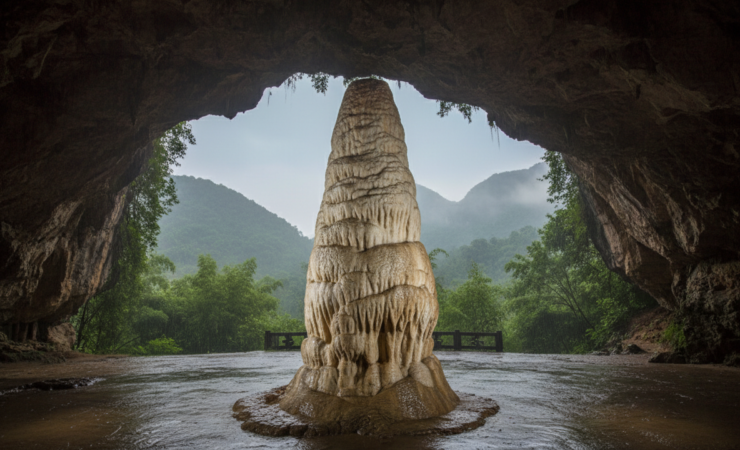
A 28-year cave record and climate modelling show ENSO changed southeastern China’s rainfall seasonality, leaving an oxygen-isotope signal in stalagmites.
US university data linked library spending with research funding, while university R&D expenditure strongly tracked state economic indicators.
A new semi-supervised TrollGAN system combined adversarial learning, LSTM sequence modelling and social-network features to detect changing troll behaviour across two Twitter datasets.
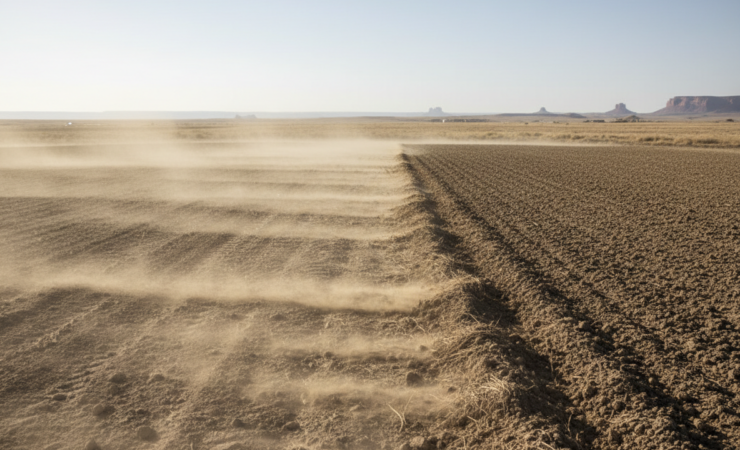
Wind-tunnel experiments found that a 3.75 g/m² nano-clay treatment reduced soil loss by 80.8% to 95.9%, with the strongest protection in finer aggregates.
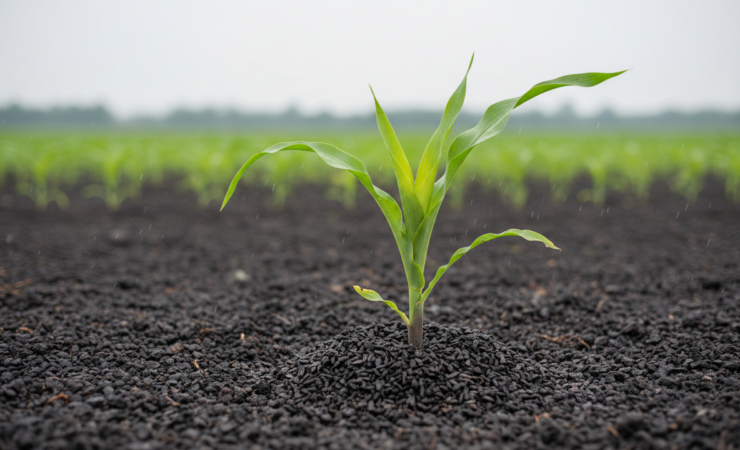
A two-year experiment found that combining rice-husk biochar with a small polymer dose improved soil moisture, root growth and maize yield in nutrient-poor rainfed soil.
A study of 1,608 Chinese medical undergraduates found challenge and curiosity were the strongest creative-tendency predictors of deep learning ability.